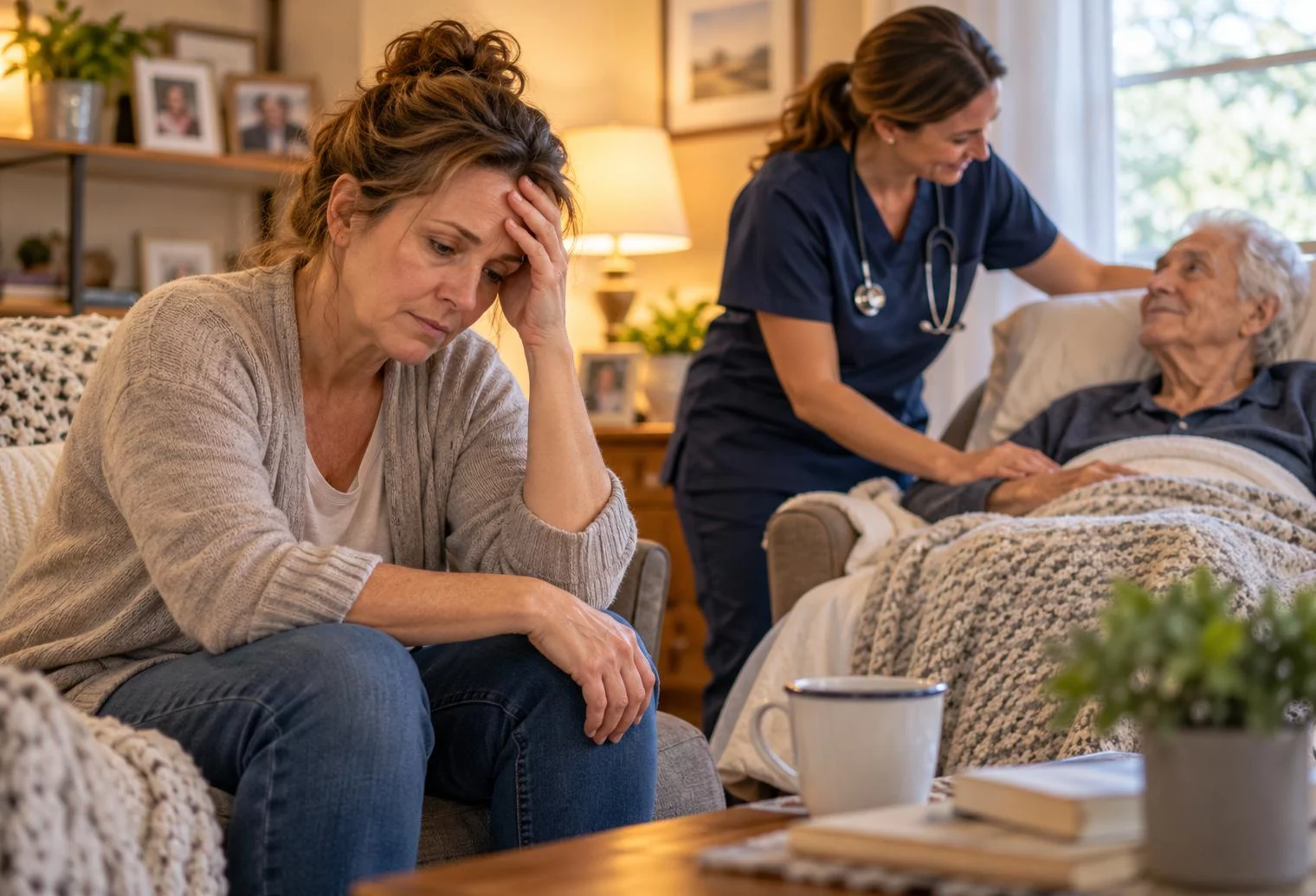
Caring for an aging parent, spouse, or loved one can be rewarding, but it can also become physically and emotionally exhausting. For families in Prescott, AZ, balancing caregiving responsibilities with work, household needs, medical appointments, and personal health can feel overwhelming. When those responsibilities continue without enough support, caregiver burnout can develop.
Caregiver burnout is a state of physical, mental, and emotional exhaustion caused by prolonged caregiving stress. Common warning signs include constant fatigue, irritability, disrupted sleep, social withdrawal, and feeling overwhelmed by everyday responsibilities. Recognizing these changes early, arranging regular breaks, and exploring professional home care or hospice services can help families create a more manageable care routine.
What local caregivers should know
Caregiver burnout can affect anyone providing ongoing assistance to an aging or seriously ill loved one.
Families throughout Yavapai County may face additional challenges when caregiving involves long drives to appointments or limited help from nearby relatives.
Caregivers in Prescott Valley and Chino Valley may need to coordinate multiple family members, medical providers, and home care resources.
Home health, palliative care, and hospice services offer different types of support depending on a loved one’s medical condition and eligibility.
Seeking professional help before reaching complete exhaustion can protect both the caregiver’s well-being and the quality of care provided.
Caregiving is especially relevant in the Prescott area, where many older adults want to remain in their homes as their health needs change. Family members often become responsible for medications, transportation, meals, household tasks, and communication with healthcare providers.
At Alaga Healthcare LLC/Alaga Home Care and Hospice, we understand the challenges families face when caring for loved ones at home. We provide home-based healthcare, palliative care, and hospice services that help patients receive appropriate care while giving families guidance and professional support.
Caregiver Burnout in Prescott: What Local Data Shows
Caregiver burnout deserves attention in Prescott because older adults make up a substantial portion of the community, creating an ongoing need for family caregiving and home-based healthcare resources. Recognizing how common caregiving responsibilities are can help families understand why planning for additional assistance matters.
According to U.S. Census Bureau QuickFacts, approximately 40.6% of Prescott residents are age 65 or older. This demographic highlights the importance of accessible healthcare services and support for families assisting aging relatives.
However, age alone does not determine whether someone needs caregiving. The level of assistance required depends on factors such as mobility, chronic illness, cognitive changes, and the ability to manage daily activities independently.
The National Institute on Aging identifies persistent exhaustion, anxiety, sleep problems, irritability, and withdrawal from activities as common signs of caregiver stress.
For families across the Quad Cities area, recognizing these changes can be an important step toward finding sustainable caregiving arrangements.
How Caregiver Burnout Affects Local Families
Caregiver burnout can affect a family’s physical health, emotional well-being, relationships, and ability to maintain consistent care at home. When one person handles nearly every responsibility, ordinary activities such as grocery shopping, attending appointments, or getting adequate sleep can become difficult.
In communities such as Williamson Valley and the neighborhoods near Thumb Butte, family caregivers may also spend considerable time traveling between homes, pharmacies, and medical appointments.
Ongoing exhaustion can contribute to:
Difficulty concentrating on care instructions or medication schedules.
Increased tension between family members.
Missed personal medical appointments.
Reduced patience during challenging caregiving situations.
Less time for work, relationships, and everyday responsibilities.
These challenges do not mean someone is an inadequate caregiver. They indicate that the current care arrangement may need more support.
Warning Signs of Caregiver Burnout
The warning signs of caregiver burnout often appear gradually, making them easy to overlook until stress begins interfering with everyday life. Family caregivers should pay attention to changes in physical health, mood, sleep, and their ability to manage responsibilities, particularly when symptoms continue for several weeks.
Seven warning signs deserve particular attention:
Constant exhaustion: Feeling tired even after sleeping or taking a short break.
Increased irritability: Becoming frustrated with loved ones or reacting strongly to minor problems.
Changes in sleep: Struggling to fall asleep, waking frequently, or sleeping more than usual.
Social withdrawal: Avoiding friends, family gatherings, hobbies, or community activities.
Physical symptoms: Experiencing frequent headaches, muscle tension, digestive problems, or other stress-related complaints.
Emotional detachment: Feeling disconnected from caregiving responsibilities or losing interest in activities that once brought satisfaction.
Not every symptom indicates burnout. Persistent or worsening changes deserve a conversation with a healthcare professional.
When Should Caregivers Seek Professional Help?
Caregivers should seek professional help when exhaustion, anxiety, sadness, or difficulty managing daily responsibilities begins affecting their health or their loved one’s safety. Families in Prescott do not need to wait for a medical emergency before asking about home-based healthcare, caregiver guidance, or additional support.
A primary care provider can help evaluate symptoms such as ongoing fatigue, depression, and sleep difficulties.
Professional caregiving support may also be appropriate when a loved one experiences increasing mobility limitations, complex medication needs, worsening chronic illness, or difficulty completing essential daily activities.
If a caregiver cannot safely meet an immediate care need, another responsible adult or qualified care professional should step in. For an immediate medical emergency, call 911.
Common Local Causes of Caregiver Burnout
Caregiver burnout commonly develops from a combination of demanding schedules, increasing medical needs, and insufficient opportunities to rest. Across Yavapai County, travel distances, changing seasonal conditions, and limited availability of nearby family members can make those challenges more difficult to manage.
Several factors can increase stress:
Growing care needs: Progressive illnesses or cognitive changes may require closer supervision and more frequent assistance.
Limited family availability: Relatives living outside Northern Arizona may be unable to provide regular in-person help.
Transportation responsibilities: Driving between homes, specialists, pharmacies, and appointments can consume substantial time.
Interrupted sleep: Nighttime assistance may prevent caregivers from getting consistent rest.
Seasonal disruptions: Summer heat, monsoon storms, and occasional winter road conditions can complicate travel and caregiving schedules.
These pressures often build gradually, making it helpful to reassess care responsibilities as a loved one’s condition changes.
How to Prevent Caregiver Burnout
Preventing caregiver burnout involves sharing responsibilities, maintaining personal health, and arranging dependable assistance before exhaustion becomes severe. Families in Prescott can reduce caregiving pressure by creating a realistic schedule, communicating openly about changing needs, and exploring available home-based healthcare resources.
Practical prevention strategies include:
Schedule regular breaks. Arrange for another trusted adult or qualified caregiver to assume responsibilities when possible.
Create a shared care calendar. Keep appointments, medication schedules, and family responsibilities organized in one place.
Protect personal health. Maintain regular medical visits, nutritious meals, physical activity, and adequate sleep.
Prepare for local weather. Plan ahead for summer heat, monsoon travel disruptions, and colder winter mornings.
Ask for specific assistance. Family members may be able to manage shopping, transportation, meal preparation, or administrative tasks.
Discuss professional services. Consider whether changing medical needs warrant home health, palliative care, or hospice support.
Caregivers should also recognize their limits. Activities involving complex medical treatments, unsafe transfers, or significant changes in symptoms may require trained healthcare professionals rather than additional do-it-yourself efforts.
What Results Can Families Expect From Additional Care Support?
Additional care support can help families establish clearer responsibilities, improve coordination with healthcare providers, and create opportunities for caregivers to rest. The specific benefits depend on the patient’s health condition, the services available, and how responsibilities are shared among family members and professionals.
For some households, this means receiving skilled nursing visits or guidance about managing chronic conditions.
For others, palliative or hospice care may provide symptom management, emotional support, and assistance with difficult healthcare decisions.
Professional services do not automatically replace every caregiving responsibility or guarantee that stress will disappear. They can, however, become part of a more sustainable care plan.
Common Caregiving Mistakes That Increase Burnout
Common caregiving mistakes include trying to handle every responsibility alone, postponing personal healthcare, and waiting too long to reassess a loved one’s needs. These habits can increase exhaustion and create unnecessary challenges for families throughout the Prescott area.
Three mistakes are particularly common:
Mistake: Refusing all outside assistance. This may lead to ongoing fatigue and isolation. A better approach is to identify specific responsibilities that relatives or professionals can share.
Mistake: Ignoring changes in the patient’s condition. Increasing care needs can make an existing routine unsafe or unrealistic. A better approach is to request a medical reassessment when significant changes occur.
Mistake: Waiting until a crisis to discuss care options. Last-minute decisions can increase family stress. A better approach is to explore available services before urgent needs arise.
A Common Local Caregiving Scenario
A common local caregiving scenario involves an adult child balancing employment with daily assistance for an aging parent who lives independently. In communities such as Prescott Valley or Dewey-Humboldt, travel between households can add time and pressure to an already demanding schedule.
Consider a family member helping a parent with chronic illness, medication reminders, meals, and medical appointments.
Over time, the parent requires more frequent assistance. The caregiver begins missing personal appointments, sleeping poorly, and feeling anxious about leaving the parent alone.
Rather than continuing without additional support, the family could discuss changing needs with the parent’s healthcare provider and explore appropriate home-based services.
This is an illustrative scenario, not an actual patient case.
How Alaga Healthcare Can Help Families Manage Caregiver Burnout
We help families address caregiver burnout by supporting the medical and comfort needs of loved ones receiving care at home. Our services can complement family caregiving responsibilities, improve communication about patient needs, and help households develop care arrangements appropriate to each person’s condition.
Our relevant services include:
Home health services
Our home health services provide professional healthcare support for eligible patients in their homes. Depending on the care plan, skilled clinical visits and patient education may help families better understand medical needs and ongoing health management.
Palliative care
Our palliative care services focus on comfort, symptom relief, and quality of life for people living with serious illnesses. Palliative care can be provided alongside treatment for the underlying condition and may help families navigate complex care decisions.
Hospice care
Our hospice services focus on comfort and quality of life for patients who meet hospice eligibility requirements. Hospice care may include nursing, symptom management, emotional support, and caregiver guidance based on the patient’s individualized care plan.
For eligible patients receiving Medicare hospice benefits, occasional short-term inpatient respite care may also be available for up to five consecutive days per respite period. Availability and arrangements depend on the hospice provider, approved facilities, and applicable coverage requirements.
Comparing Family Caregiving and Professional Care Options
Family caregiving, nonmedical assistance, home health, palliative care, and hospice services meet different needs. Choosing the appropriate combination depends on the person’s medical condition, daily activities, supervision requirements, and goals of care.
Care option
Primary purpose
Family caregiving
Everyday assistance, companionship, and familiar support
Nonmedical home care
Help with personal routines and daily living activities
Home health
Skilled healthcare services based on medical needs and eligibility
Palliative care
Symptom relief and quality-of-life support during serious illness
Hospice care
Comfort-focused care for patients who meet hospice eligibility criteria
Not every home health service includes extended personal care or caregiver relief. Families should confirm visit schedules, service limitations, insurance coverage, and any additional assistance required between visits.
Service Areas Around Prescott
We provide home-based healthcare services in Prescott and the surrounding Yavapai County area. Families in nearby communities, including Chino Valley, Prescott Valley, and Dewey-Humboldt, can contact our team to discuss care needs and confirm service availability at their location.
The Cost of Ignoring Caregiver Burnout
Ignoring caregiver burnout can contribute to worsening physical health, emotional distress, and difficulty maintaining a safe, consistent caregiving routine. As exhaustion increases, families may find it harder to coordinate appointments, respond to changing medical needs, or sustain the level of assistance their loved one requires.
Delaying help can also increase family conflict and leave caregivers without enough time to address their own health concerns.
Early conversations about support options can make care planning more manageable before responsibilities become overwhelming.
Frequently Asked Questions About Caregiver Burnout
1. What are the first signs of caregiver burnout?
The first signs of caregiver burnout commonly include persistent fatigue, irritability, sleep disturbances, anxiety, and difficulty concentrating. Some caregivers also withdraw from social activities or feel increasingly overwhelmed by ordinary responsibilities. Recognizing patterns early can help families adjust caregiving schedules and seek support before symptoms become more severe.
2. Where can caregivers find help in Prescott, AZ?
Caregivers in Prescott can begin by speaking with their loved one’s healthcare provider, exploring local caregiver support groups, and contacting home-based healthcare agencies. The appropriate resources depend on whether the family needs medical services, assistance with daily activities, emotional support, or temporary relief from caregiving responsibilities.
3. Can home health services reduce caregiver stress?
Home health services can reduce certain caregiving pressures by providing skilled healthcare visits, patient education, and support for specific medical needs. They do not necessarily provide continuous supervision or replace daily personal assistance. Families should review the recommended care plan to understand which responsibilities remain with household caregivers.
4. Is caregiver burnout common among families in Yavapai County?
Caregiver burnout can affect families throughout Yavapai County, particularly when loved ones require extensive or ongoing assistance. Local rates of caregiver burnout cannot be determined from the available population statistics alone. However, recognizing signs of chronic stress and considering available care resources can benefit families managing complex responsibilities.
5. Does hospice care provide respite for family caregivers?
Hospice care can include occasional inpatient respite services for eligible patients, allowing family caregivers a temporary break. Under Medicare’s hospice benefit, qualifying inpatient respite care may last up to five consecutive days at a time. Families should ask their hospice provider about eligibility, facility availability, scheduling, and potential costs.
6. How can families in Prescott Valley share caregiving responsibilities?
Families in Prescott Valley can share responsibilities by creating written schedules, assigning specific tasks, and communicating regularly about changes in a loved one’s condition. Relatives who cannot provide hands-on care may still help coordinate appointments, order supplies, prepare meals, or manage paperwork. Professional services may support qualifying medical needs.
7. When should a caregiver consider palliative care for a loved one?
Palliative care may be appropriate when a person experiences serious illness accompanied by pain, fatigue, breathing difficulties, anxiety, or other challenging symptoms. It is not limited to end-of-life situations. Families can discuss palliative care with a healthcare provider while continuing other appropriate treatments for the underlying illness.
8. How do I know whether my loved one needs additional care in Prescott?
Additional care may be necessary when a loved one experiences increasing difficulty with mobility, medication management, personal hygiene, nutrition, or chronic health conditions. Frequent falls, new confusion, or significant symptom changes also warrant prompt medical assessment. A healthcare professional can help identify appropriate support and determine whether home-based services are suitable.
More Support for Your Caregiving Journey in Prescott
Caregiver burnout does not have to become a crisis before families explore additional help. Recognizing warning signs, sharing responsibilities, and finding appropriate healthcare support can make caring for a loved one more manageable.
We are committed to helping local families understand their care options while supporting comfort, dignity, and quality of life at home.
Choosing hospice care at home can bring a major change to daily life for both a patient and the people caring for them. For families in Prescott, the goal is often to help a loved one remain in familiar surroundings while receiving comfort-focused care and support during a serious, life-limiting illness.
Hospice at home does not mean the family is expected to figure everything out alone. It involves an individualized plan of care and a hospice team that helps manage symptoms, provides appropriate services, and supports the patient and caregivers.
What Can Families Expect From Hospice Care at Home?
Hospice care at home focuses on comfort, symptom management, quality of life, and support for the patient and family rather than treatment intended to cure the terminal illness. In Prescott, care generally takes place wherever the patient calls home, with services coordinated according to an individualized hospice plan.
Families should know that:
Hospice care may include nursing services, home health aide services, medications and supplies related to symptom management, and emotional or spiritual support based on the plan of care.
Family members and other caregivers remain an important part of day-to-day care between scheduled hospice visits.
Prescott’s location in central Yavapai County means families may want to discuss travel, caregiver availability, and access needs when developing the care plan.
Hospice is not necessarily limited to a private house. Eligible patients may receive hospice where they live, including certain assisted living or nursing facilities.
The hospice team should explain whom to contact when symptoms change or a caregiver needs guidance.
Why Does At-Home Hospice Matter in Prescott?
At-home hospice in Prescott allows eligible patients to receive comfort-focused services without routinely leaving familiar surroundings for care related to their terminal illness. That can be especially meaningful when travel has become tiring, uncomfortable, or difficult for a person with an advanced illness.
Local geography is also worth considering. Prescott sits at roughly 5,400 feet in central Yavapai County, and surrounding communities include Prescott Valley, Chino Valley, and Dewey-Humboldt. The broader county ranges from lower desert areas to mountainous terrain, so travel conditions and distances can vary considerably across the region.
Alaga Healthcare LLC/Alaga Home Care and Hospice understands that families considering hospice may have questions about what care at home actually looks like. We believe those questions deserve clear answers so patients and caregivers can better understand their options.
What Do Public Hospice Guidelines Say About Care at Home?
Public hospice guidelines confirm that hospice is designed around an individualized plan of care and can usually be provided in the patient’s home. Medicare describes hospice as end-of-life care for people with illnesses that cannot be cured and states that eligible beneficiaries work with their family and hospice team to establish a care plan.
For eligible Medicare beneficiaries, hospice coverage may include services and supplies associated with the terminal illness and related conditions. Medicare also notes that room and board generally is not covered simply because a patient receives hospice at home or lives in a nursing facility.
Arizona Department of Health Services rules also address services provided through hospice agencies, including nursing, home health aide, respite, and supportive services.
How Does Hospice Care Affect Daily Life at Home?
Hospice care at home changes the emphasis of daily care toward comfort and symptom relief. Instead of repeatedly pursuing treatment intended to cure the terminal condition, the care plan addresses the patient’s current needs and helps caregivers understand how to respond as those needs change.
For a household in the Prescott area, that may mean planning where the patient will rest, keeping necessary supplies accessible, establishing who will provide routine caregiving, and knowing how to reach the hospice team when concerns arise.
Care needs can change over time. Families should communicate new pain, breathing difficulties, agitation, changes in eating or drinking, increasing weakness, or other significant changes to the hospice team rather than trying to interpret them alone.
What Changes Should Families Report to the Hospice Team?
Changes in symptoms, comfort, alertness, mobility, breathing, or caregiving needs should be reported to the hospice team. Hospice professionals can help determine whether the care plan needs to be adjusted and explain what caregivers should do next.
Important changes may include:
Pain that appears new, stronger, or more difficult to control.
New or worsening shortness of breath.
Increased confusion, agitation, or unusual restlessness.
Difficulty swallowing medications, food, or liquids.
Increasing weakness or difficulty moving safely.
Falls or a sudden decline in mobility.
Symptoms that caregivers are unsure how to manage.
A caregiver becoming unable to safely meet the patient’s current needs.
Families do not need to wait until they are certain something is wrong before asking for guidance.
When Should You Call the Hospice Team?
You should call the hospice team when symptoms change, the patient appears uncomfortable, medications or equipment raise questions, or caregivers are unsure what to do. The team can help determine whether the situation can be managed through the existing plan or requires another level of hospice support.
This communication can be particularly important for families spread across Yavapai County. A relative in Prescott Valley or Chino Valley, for example, may not always be physically present when another caregiver notices a change.
For emergencies or services related to the terminal illness, families receiving hospice should follow instructions from their hospice provider. Medicare specifically advises beneficiaries to contact their hospice team before obtaining certain hospital, outpatient, or ambulance services related to the terminal illness because hospice-covered care generally needs to be arranged by the hospice team.
What Common Needs Does At-Home Hospice Address?
At-home hospice commonly addresses pain and symptom management, personal care needs, caregiver education, emotional concerns, and practical support related to the terminal illness. The exact services depend on the patient’s condition and individualized care plan rather than a single standard schedule for every household.
Common areas of support can include symptom assessment, nursing care, home health aide services when appropriate, medication management related to comfort, and assistance with equipment or supplies covered under the hospice benefit.
Respite care may also be available under qualifying circumstances to give caregivers a temporary break.
How Can Prescott Families Prepare for Hospice at Home?
Prescott families can prepare for hospice at home by organizing the living space, identifying primary caregivers, keeping important information accessible, and asking the hospice team what medications, equipment, and supplies may be needed. Preparation should make daily care safer and simpler without turning the home into a clinical environment unnecessarily.
A few practical steps can help:
Keep walkways clear, especially between the patient’s bed, bathroom, and commonly used areas.
Place frequently needed supplies where caregivers can reach them easily.
Ask how medications should be stored and administered.
Discuss backup caregiving arrangements with relatives or trusted helpers.
Ask what to do if symptoms change overnight or outside normal business hours.
Follow the hospice team’s instructions rather than making independent medication changes.
Prescott has distinct seasons and sits at a substantially higher elevation than Phoenix, so households should also consider ordinary seasonal issues such as comfortable indoor temperatures and safe access during colder weather.
What Results Should Families Expect From Hospice?
Families should expect hospice to focus on comfort and quality of life rather than promising a particular medical outcome. Care is individualized, so the services, visit frequency, symptom-management strategies, and caregiver support a patient receives can change as the patient’s needs change.
Hospice also does not mean that every difficult symptom will disappear. The care team works to assess symptoms and provide appropriate comfort-focused interventions while helping patients and caregivers understand what to expect.
What Mistakes Can Make At-Home Hospice More Difficult?
One common mistake is assuming hospice provides continuous bedside caregiving in every situation. The consequence can be an unexpected caregiving gap. A better approach is to ask specifically what services and visit schedules are included in the patient’s plan and what responsibilities remain with family or other caregivers.
Another mistake is waiting too long to report changing symptoms. That can leave a patient uncomfortable and caregivers uncertain. Prescott-area families should use the hospice team’s contact process when significant changes occur.
A third mistake is going directly to an emergency department for a problem related to the terminal illness without contacting the hospice team. For Medicare hospice patients, certain hospital and ambulance services need to be arranged through hospice to qualify for hospice coverage.
What Is a Common At-Home Hospice Scenario in Prescott?
A common local scenario involves a person with an advanced illness who wants to remain at home while a spouse, adult child, or another caregiver provides much of the everyday assistance. As mobility and energy decrease, the family may need additional guidance with personal care, symptom monitoring, medications, and safe movement around the home.
The hospice team develops and updates the plan of care according to that individual’s needs. The family then has a clearer framework for whom to contact, what changes to report, and what support may be available.
This is a general scenario, not a description of a specific Alaga Healthcare LLC/Alaga Home Care and Hospice patient.
What Hospice Services Can Support Care at Home?
Hospice services can support at-home care through a coordinated plan addressing the patient’s medical, physical, emotional, and other appropriate end-of-life needs. The specific combination of services depends on eligibility, clinical needs, the plan of care, and applicable coverage.
We can help families understand the hospice process and discuss what support may be appropriate for their situation.
How Does At-Home Hospice Compare With Other Care Options?
At-home hospice is appropriate for eligible patients who choose comfort-focused end-of-life care rather than treatment intended to cure their terminal illness. It differs from ordinary home health care, which may be directed toward rehabilitation, recovery, or management of conditions without the same hospice eligibility requirements.
Hospice also differs from inpatient care. Most hospice services can be provided where a patient lives, while short-term inpatient hospice care may be arranged when specific needs cannot be managed in the usual home setting.
Families should discuss these differences with their healthcare providers and hospice team before deciding which approach fits the patient’s goals and circumstances.
What Areas Can Families Consider for Local Hospice Support?
Families seeking hospice care in Prescott may also be coordinating care with relatives or services throughout the surrounding Prescott Basin and Yavapai County. Nearby communities include Prescott Valley, Chino Valley, and Dewey-Humboldt.
What Can Happen When Hospice Conversations Are Delayed?
Delaying a hospice conversation can leave patients and families with less time to understand available comfort-focused services, establish a care plan, and prepare for caregiving needs. It can also mean families are making difficult decisions during a sudden change in the patient’s condition rather than discussing options earlier.
Asking about hospice does not obligate a family to begin services. It can simply provide information about eligibility, coverage, the care process, and what support could be available.
Frequently Asked Questions About Hospice Care at Home in Prescott
Can hospice care be provided at home in Prescott, AZ?
Yes. Hospice care can generally be provided in the place a patient calls home, including a private residence and, in appropriate circumstances, assisted living or nursing facilities. Eligibility and the exact services provided depend on the patient’s condition, care plan, hospice provider, and applicable insurance or Medicare requirements.
Does hospice provide 24-hour caregivers in a Prescott home?
Routine hospice care should not automatically be understood as 24-hour bedside caregiving. Visit frequency and services depend on the patient’s individualized plan and level of care. Families should ask the hospice provider exactly what professional support is scheduled and what day-to-day responsibilities will remain with family or other caregivers.
Who qualifies for Medicare hospice care in Prescott?
For Medicare hospice coverage, a person must have Medicare Part A and meet Medicare’s eligibility requirements. Medicare states that the hospice doctor and regular doctor, if applicable, must certify a terminal illness with a life expectancy of six months or less if the illness follows its normal course, among other requirements.
Can hospice continue for longer than six months?
Yes. Medicare hospice is not automatically limited to six months. Medicare provides two 90-day benefit periods followed by an unlimited number of 60-day benefit periods, provided the patient continues to meet eligibility requirements and is appropriately recertified.
Does Medicare pay for hospice care at home?
Medicare Part A covers eligible hospice services from a Medicare-approved provider. Medicare states that beneficiaries generally pay nothing for covered hospice care, although certain prescription copayments and a percentage of inpatient respite costs may apply. Families should verify their individual coverage and ask about services or items that are not covered.
Does Medicare hospice cover room and board at home?
No. Medicare generally does not pay room and board simply because someone receives hospice in a private home, nursing home, or hospice inpatient facility. Short-term inpatient or respite care arranged by the hospice team may be covered when Medicare’s requirements are met.
Should a Prescott family call 911 or hospice when symptoms change?
Families should follow their hospice provider’s instructions for changes related to the terminal illness and contact the hospice team when symptoms change or they are unsure what to do. Medicare advises hospice patients to contact their hospice team before certain hospital, emergency, or ambulance services related to the terminal condition are obtained.
Can someone leave hospice if circumstances change?
Yes. Choosing hospice does not permanently prevent a patient from changing course. Medicare beneficiaries can revoke hospice if they decide to pursue treatment aimed at curing the terminal illness, and eligible patients may choose hospice again later if they meet the applicable requirements.
Find Comfort-Focused Hospice Support in the Prescott Area
Understanding what hospice at home involves can help patients and families make informed decisions and prepare for changing care needs. We are here to help local families ask questions, understand the process, and explore appropriate hospice support.
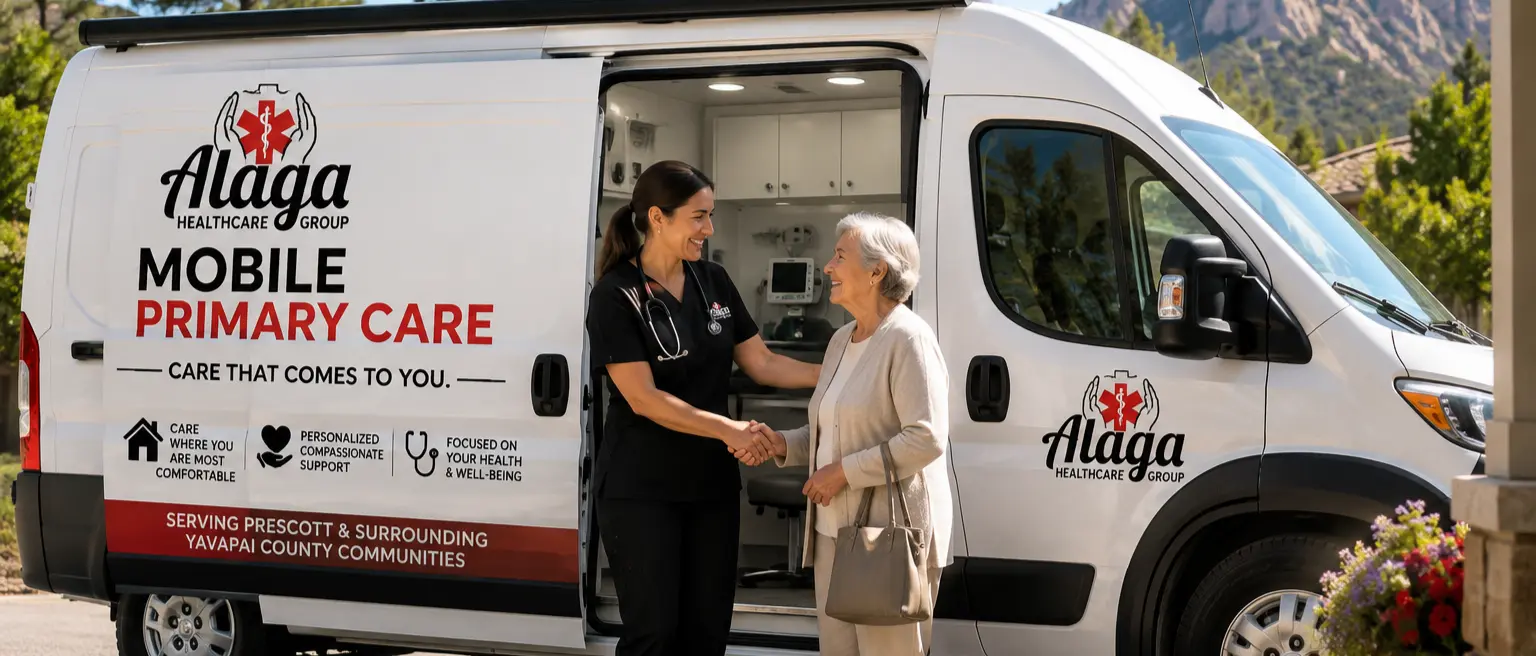
For many Prescott residents, getting medical care is not only about choosing a provider. Transportation, mobility, caregiving responsibilities, recovery after a hospital stay, and the effort required to leave home can all shape that decision. For older adults and people with limited mobility in Yavapai County, the choice between a mobile doctor and traditional primary care can have a meaningful impact on how convenient routine care feels.
Quick answer: A mobile doctor may be the better option when traveling to a medical office is difficult, exhausting, or disruptive, while traditional primary care may work well for patients who can comfortably attend office appointments and prefer access to an established clinic setting. The right choice depends on your health needs, mobility, transportation, preferred care environment, and the services available from the provider.
What local patients and families should know
Mobile medical care brings eligible healthcare services to the patient’s residence, reducing the need to travel to an office.
Traditional primary care takes place in a clinic or medical office where the provider has immediate access to that location’s staff, equipment, and resources.
Prescott residents who have mobility or transportation challenges may find home-based visits more convenient.
Families throughout Yavapai County may also consider how much assistance a loved one needs before, during, and after an office appointment.
Mobile care and office-based primary care are not necessarily interchangeable for every medical need, so patients should ask what services a provider can safely offer at home.
Why Does the Choice Between Mobile and Traditional Primary Care Matter in Prescott?
The choice matters in Prescott because the practical work of getting to an appointment can be very different from one patient to another. A person who drives independently and moves comfortably may have little difficulty visiting a clinic, while someone who relies on a caregiver, mobility device, or transportation assistance may face a much larger burden.
Prescott and the surrounding communities of Prescott Valley, Chino Valley, Dewey-Humboldt, and other parts of Yavapai County include patients with a wide range of living arrangements and transportation needs. Even an appointment that seems routine can involve getting dressed, transferring into a vehicle, traveling across the area, navigating a parking lot, and waiting in a medical office.
Alaga Healthcare LLC/Alaga Home Care and Hospice serves people seeking healthcare and support options in the area. When discussing care with us, patients and families can focus not only on medical needs but also on how care fits into everyday life.
What Are Mobile Doctor Visits?
Mobile doctor visits provide medical care at a patient’s residence rather than requiring the patient to travel to a traditional medical office. The exact services available during a home visit depend on the provider, the patient’s needs, and what can appropriately and safely be handled outside a clinic or hospital.
For some local residents, the biggest benefit is accessibility. A home visit can remove several logistical steps associated with an office appointment.
This may be particularly useful for someone who has difficulty walking, tires easily during outings, depends on another person for transportation, or finds leaving home challenging. Patients and families should confirm which examinations, treatments, testing, and follow-up services are available through a specific mobile provider.
What Does Traditional Primary Care Offer?
Traditional primary care provides routine and ongoing medical care in a clinic or office equipped for in-person appointments. This model can be a practical choice for Prescott patients who travel comfortably and value receiving care in a dedicated medical setting.
An office may have staff, diagnostic resources, and equipment readily available at the same location. Depending on the practice, this can make certain examinations, tests, or procedures easier to coordinate.
Traditional care also works well for many independent patients who already have an established routine with a primary care office. The main consideration is whether getting to and from that office remains manageable.
Who May Benefit From a Mobile Doctor?
A mobile doctor may be especially helpful for patients whose health, mobility, transportation, or caregiving circumstances make office visits difficult. Convenience alone can be valuable, but the larger benefit is often removing barriers that make receiving routine care harder.
Possible signs that home-based medical care is worth exploring include:
Leaving home requires substantial physical effort.
A patient depends on a family member or caregiver for transportation.
Walking through parking areas or medical buildings is difficult.
Mobility equipment makes transportation more complicated.
Office visits require significant planning by family caregivers.
A patient is recovering and currently has difficulty traveling.
Transportation limitations contribute to difficulty attending appointments.
These circumstances do not automatically mean mobile care is appropriate. A healthcare provider should determine whether the patient’s medical needs can be safely addressed in the home.
When Is Traditional Primary Care the Better Fit?
Traditional primary care may be the better fit when a patient can travel comfortably and needs or prefers services that are readily available in an office setting. Some medical concerns require testing, equipment, procedures, imaging, specialist evaluation, or emergency services that cannot be provided through a routine home visit.
Patients should seek the appropriate level of care for their symptoms rather than choosing home care solely for convenience. A mobile doctor is not a substitute for emergency medical services.
For Prescott residents who are independent, comfortable driving or arranging transportation, and satisfied with their existing office-based care, there may be no practical reason to change.
What Should Families Watch for When Office Visits Become Difficult?
Families should watch for increasing physical strain, transportation problems, caregiver burden, or missed appointments that make office-based care harder to maintain. These practical warning signs can indicate that it is time to ask whether another care arrangement is available.
A family member may notice that a loved one takes much longer to prepare for appointments, becomes exhausted by outings, or increasingly depends on others to coordinate transportation. Another warning sign is postponing routine appointments because getting to the office feels overwhelming.
For families in the Prescott area, recognizing these changes early can create more time to explore appropriate options rather than waiting until transportation becomes a major obstacle.
How Can Local Families Compare Their Options?
Local families can compare mobile and traditional primary care by looking at medical needs, travel ability, caregiver availability, and the type of services required. The best option is the one that safely meets the patient’s needs while making ongoing care realistically accessible.
Consideration
Mobile Doctor
Traditional Primary Care
Location
Patient’s residence
Clinic or medical office
Travel required
Usually reduced for the patient
Patient travels to the office
Mobility concerns
May reduce transportation challenges
May require navigating vehicles, parking, and the clinic
Caregiver logistics
May simplify appointment transportation
Caregiver may need to provide or arrange transportation
Equipment and services
Limited to what can appropriately be provided in the home
Office resources are available on site
Best fit
Patients whose needs can be addressed at home
Patients comfortable attending an office or needing office-based resources
Neither model is automatically better. The patient’s individual circumstances should guide the decision.
What Are Common Mistakes When Choosing a Care Model?
The most common mistake is choosing based only on convenience without considering the patient’s actual medical and practical needs. Prescott families can make a more informed choice by discussing both health requirements and day-to-day barriers with an appropriate healthcare provider.
Mistake: Assuming every service can be provided at home. Consequence: A patient may expect testing or treatment that requires another setting. Better approach: Ask exactly what a mobile provider can and cannot perform during a home visit.
Mistake: Waiting until transportation becomes unmanageable. Consequence: Families may have fewer convenient options when an appointment is already needed. Better approach: Explore alternatives as soon as routine office trips become noticeably harder.
Mistake: Treating mobile care as emergency care. Consequence: A serious or urgent condition may not receive the level of response it requires. Better approach: Use emergency services for medical emergencies and ask providers where urgent concerns should be addressed.
What Is a Common Local Scenario?
A common Prescott-area scenario involves an older adult who can remain at home but increasingly depends on family members for transportation to medical appointments. A single office visit may require a relative to change a work schedule, help the patient prepare, assist with transportation, and remain with them throughout the trip.
In a situation like this, the family might ask whether some appropriate medical visits can take place at home. If they can, mobile care may reduce transportation demands while allowing the patient to receive eligible services in familiar surroundings.
This is a general scenario, not a specific patient case.
What Healthcare Solutions Should Patients Explore?
Patients should explore the combination of medical and supportive services that best matches their health status, independence, and living situation. Home-based medical care may be one part of a broader conversation about support at home.
At Alaga Healthcare LLC/Alaga Home Care and Hospice, we encourage patients and families to ask questions about available care options, what can be provided at home, and when another medical setting is more appropriate.
What Can Happen When Changing Care Needs Are Ignored?
Ignoring growing difficulty with medical appointments can make routine care harder to coordinate and place additional demands on patients and caregivers. A transportation challenge that begins as an inconvenience can become a significant obstacle when mobility changes or family assistance becomes less available.
Families do not need to wait for appointments to become unmanageable before asking about alternatives. Reviewing care options earlier can help everyone understand what resources may be available in Prescott and surrounding Yavapai County communities.
Frequently Asked Questions About Mobile Doctors in Prescott
Is a mobile doctor the same as a traditional primary care doctor?
Not necessarily. “Mobile doctor” describes how and where care is delivered, while primary care describes a type of ongoing healthcare. The qualifications, services, and scope of a particular provider can vary. Prescott patients should ask the provider what services are offered at home and how ongoing medical needs are managed.
Who should consider a mobile doctor in Prescott?
Patients who have difficulty traveling to medical offices may want to explore mobile care. This can include people with mobility challenges, transportation limitations, or substantial dependence on caregivers for appointments. Whether home-based medical care is appropriate still depends on the patient’s individual medical needs and the services the provider offers.
Can every medical appointment be handled at home?
No, not every medical need can necessarily be handled through a home visit. Certain tests, procedures, imaging services, specialist evaluations, urgent treatment, or emergency care may require another setting. Patients in Yavapai County should ask their provider which services are appropriate for home-based care and where other needs should be addressed.
Is mobile medical care only for older adults in Prescott?
No, age alone does not determine whether mobile medical care is appropriate. A person’s mobility, health needs, transportation situation, and ability to attend office appointments can all matter. Patients and families should discuss their circumstances directly with a healthcare provider before deciding whether home-based visits are suitable.
Can mobile doctor visits make things easier for family caregivers?
They may reduce some transportation and scheduling demands when home visits are appropriate for the patient. For a caregiver who normally helps someone travel from Prescott, Prescott Valley, Chino Valley, or another nearby community to appointments, eliminating some trips may simplify logistics. The actual benefit depends on the patient’s care plan.
What should I ask before choosing a mobile healthcare provider?
Ask about services, provider qualifications, scheduling, coverage area, costs or insurance arrangements, after-hours procedures, and situations that require office or hospital care. Patients should also understand how records, follow-up care, testing, prescriptions, and referrals are handled. Getting clear answers makes it easier to compare mobile care with an existing primary care arrangement.
Does a mobile doctor replace emergency care?
No, routine mobile medical care should not be treated as a replacement for emergency services. A potentially life-threatening or severe medical problem requires the appropriate emergency response. Prescott-area patients should follow emergency guidance for urgent situations rather than waiting for a routine home visit.
Does Alaga Healthcare serve areas outside Prescott?
Service availability should be confirmed directly with our team for each location and type of care requested. Prescott Valley, Chino Valley, Dewey-Humboldt, and other Yavapai County communities are nearby, but patients should not assume that every service is available in every area without first confirming current coverage.
Find a Care Option That Fits Life in Prescott
Choosing between a mobile doctor and traditional primary care is ultimately about matching the care setting to the patient’s medical needs and everyday circumstances. For local patients facing mobility, transportation, or caregiver challenges, learning about home-based options can be a useful next step.
Explore More Accessible Care Options in Prescott
We can help you learn more about available care options and determine what questions to ask based on your situation.
When a serious illness changes daily life, families often hear the terms palliative care and hospice care at the same time. For families in Prescott and throughout Yavapai County, understanding the difference can make conversations with doctors, caregivers, and loved ones easier during an already difficult period.
Quick answer:Palliative care focuses on relieving symptoms, pain, stress, and other burdens associated with a serious illness and may be provided alongside treatment intended to cure or control that illness. Hospice care also prioritizes comfort and quality of life, but it is designed for people approaching the end of life who meet hospice eligibility requirements and are no longer pursuing curative treatment for the terminal illness under the hospice benefit.
What local families should know
Palliative care can be appropriate at different stages of a serious illness and does not necessarily mean a person is nearing the end of life.
Hospice care is specifically intended for eligible patients with a terminal illness who choose comfort-focused care rather than treatment aimed at curing that terminal illness.
Families in Prescott, Prescott Valley, Chino Valley, and surrounding Yavapai County communities may receive certain supportive services in the home, depending on the care program and individual needs.
Both types of care can address physical symptoms as well as emotional, practical, and family concerns.
Asking about supportive care early can give patients and families more time to understand their options.
Why Does the Difference Between Palliative Care and Hospice Matter in Prescott?
The difference between palliative care and hospice matters in Prescott because choosing the right type of support depends on a person’s medical condition, goals, treatment plan, and stage of illness. Understanding those distinctions can help local families ask better questions and avoid assuming that all comfort-focused healthcare means the same thing.
Older adults and families throughout the Prescott area may be managing cancer, heart disease, lung disease, neurological conditions, or other serious illnesses while also coordinating appointments, medications, transportation, and help at home.
For people living outside the center of town, including those in Williamson Valley or nearby communities such as Chino Valley and Dewey-Humboldt, coordinating care can involve additional travel and caregiver planning. Knowing what each type of care provides can help families discuss realistic options with the patient’s healthcare team.
At Alaga Healthcare LLC/Alaga Home Care and Hospice, we understand that these conversations can involve both practical questions and deeply personal decisions. Our goal is to help patients and families understand available care options and make choices that reflect their needs and goals.
What Is Palliative Care?
Palliative care is specialized supportive care focused on improving quality of life and relieving the symptoms and stress associated with serious illness, and it can often be provided while a patient continues disease-directed treatment. The exact services and setting depend on the patient’s condition, healthcare providers, and available programs.
Palliative care may help address concerns such as pain, nausea, shortness of breath, fatigue, appetite changes, sleep problems, anxiety, or the stress associated with complex medical decisions.
A major distinction is timing. A person does not necessarily have to be in the final months of life to receive palliative care. It may become part of a care plan while someone is still receiving treatments intended to manage, slow, or potentially cure an illness.
For Yavapai County families, palliative care can also provide a framework for discussing what matters most to the patient, including comfort, independence, treatment priorities, and the level of support available from family caregivers.
What Is Hospice Care?
Hospice care is comfort-focused care for people with a terminal illness who meet hospice eligibility requirements and choose hospice rather than curative treatment for the terminal condition. Hospice addresses more than physical symptoms by supporting emotional, social, and spiritual needs while also providing resources and guidance for family caregivers.
Under the Medicare hospice benefit, eligibility generally involves a physician certifying that a patient has a life expectancy of six months or less if the illness follows its normal course. A patient may remain eligible beyond six months when the required criteria continue to be met.
Hospice is not simply a place. Depending on the patient’s circumstances and level of care required, hospice services are often provided where the patient lives.
For a Prescott family, that may mean receiving support in a private residence or another residential setting rather than repeatedly traveling for comfort-focused services.
What Are the Main Differences Between Palliative Care and Hospice?
The main difference between palliative care and hospice is that palliative care may accompany treatment for a serious illness, while hospice is specifically designed for eligible patients approaching the end of life who elect comfort-focused care instead of curative treatment for the terminal illness. Both approaches emphasize comfort, dignity, symptom management, and quality of life.
A simple comparison can help:
Palliative care
May begin at various stages of a serious illness.
May be provided alongside curative or disease-directed treatment.
Focuses on symptom relief and quality of life.
Eligibility and coverage vary by program and insurance plan.
Hospice care
Is intended for patients who meet specific terminal-illness eligibility requirements.
Focuses on comfort rather than curing the terminal illness.
Includes an interdisciplinary approach to patient and family support.
May be covered through Medicare, Medicaid, or private insurance when applicable requirements are met.
Because every situation is different, patients should discuss eligibility, coverage, and treatment decisions with their physician, hospice provider, and insurance plan.
What Signs May Indicate It Is Time to Discuss Supportive Care?
It may be time to discuss palliative or hospice care when a serious illness is causing increasing symptoms, repeated medical needs, declining function, or difficult decisions about whether ongoing treatment still matches the patient’s goals. These signs do not automatically mean hospice is appropriate, but they can signal that a care conversation would be useful.
Possible signs include:
Pain, breathlessness, nausea, fatigue, or other symptoms becoming harder to manage.
Increasing difficulty with bathing, dressing, walking, eating, or other daily activities.
More frequent emergency department visits or hospital stays.
Significant changes in appetite, strength, or alertness.
Treatment side effects creating a substantial burden.
Family caregivers becoming increasingly concerned about managing needs at home.
The patient expressing a stronger preference for comfort or remaining at home.
Questions arising about whether additional hospital-based treatment matches the patient’s wishes.
Families across Prescott Valley, Chino Valley, and the greater Quad Cities area do not need to wait for a crisis to begin asking these questions.
When Should You Talk With a Healthcare Professional?
You should talk with a healthcare professional when symptoms become difficult to control, the patient’s condition is changing, or the family is uncertain whether palliative care or hospice better matches current goals. A physician or qualified care provider can evaluate the medical situation and explain which services may be appropriate.
Families can safely start by writing down questions, symptoms, recent changes, medications, and the patient’s priorities. They can also discuss what the patient considers most important, such as remaining comfortable at home, continuing certain treatments, or reducing hospital visits.
Medical eligibility should not be determined through a checklist alone. Hospice eligibility requires an appropriate clinical assessment and certification.
If there is an immediate medical emergency or a sudden life-threatening change, seek emergency medical assistance rather than waiting for a routine hospice or palliative care consultation.
What Common Misunderstandings Should Prescott Families Avoid?
Common misunderstandings include assuming that palliative care and hospice are identical, believing hospice always means moving to a facility, or thinking that asking about hospice forces someone to enroll. Prescott families can avoid unnecessary confusion by treating the first conversation as an opportunity to gather information rather than as an irreversible decision.
Mistake: Assuming palliative care means treatment must stop. Consequence: A patient may miss supportive services that could help with symptoms while other treatment continues. Better approach: Ask whether palliative support can complement the current treatment plan.
Mistake: Waiting for a crisis to learn about hospice. Consequence: Families may have to make complicated decisions while under greater stress. Better approach: Ask questions earlier when a serious illness is progressing.
Mistake: Assuming hospice services are identical for every patient. Consequence: Families may develop expectations that do not match the patient’s care plan. Better approach: Ask what services are included based on individual needs and eligibility.
What Might a Common Local Care Scenario Look Like?
A common local scenario may involve a Yavapai County family caring for an older adult whose serious illness has gradually made daily activities and symptom management more difficult. This example is illustrative rather than a case study, and the appropriate care choice would depend on the patient’s diagnosis, prognosis, preferences, and clinical evaluation.
Earlier in the illness, palliative care may help the person manage symptoms while treatment continues. If the illness progresses and the patient’s priorities shift toward comfort rather than curative treatment, the family might ask whether hospice eligibility should be evaluated.
For a family living near Prescott’s Granite Dells, in Williamson Valley, or farther into surrounding communities, receiving appropriate support at home may also reduce some of the practical strain associated with frequent travel.
How Can Hospice and Home Care Services Support Local Families?
Hospice and home-based care services can support local families by bringing appropriate assistance, education, and comfort-focused resources into the patient’s living environment when those services match the person’s needs. The specific type and frequency of support depend on the care program, clinical assessment, eligibility, and individualized plan of care.
Families may need help understanding symptoms, medications, caregiving responsibilities, safety concerns, and changes that may occur as an illness progresses.
We can help families explore appropriate care options and understand what services may be available based on their circumstances.
How Should Families Compare Palliative Care and Hospice?
Families should compare palliative care and hospice by looking at the patient’s prognosis, current treatment goals, symptom burden, desired setting of care, and eligibility rather than choosing based on the names alone. A conversation involving the patient, family, physician, and care providers can clarify which approach best supports current priorities.
If the patient wants to continue treatment intended to cure or control the illness while receiving additional symptom support, palliative care may be worth discussing.
If the patient has a terminal illness, meets hospice requirements, and wants care centered on comfort rather than curative treatment for that illness, a hospice evaluation may be appropriate.
The choice should reflect the patient’s values whenever possible.
What Areas Can Local Families Ask About for Care?
Families in Prescott and surrounding Yavapai County communities can ask whether home care or hospice services are available at their specific address and appropriate for their individual circumstances. Service availability should always be confirmed directly rather than assumed based solely on proximity to the primary service area.
Families in nearby communities such as Prescott Valley, Chino Valley, Dewey-Humboldt, and other parts of the region can contact us to discuss service availability.
What Can Happen When Families Delay the Conversation?
Delaying conversations about supportive care can leave patients and caregivers with less time to understand options, clarify preferences, and prepare for changing care needs. Waiting does not necessarily cause a specific outcome, but it can make decisions more difficult if symptoms worsen or a sudden health change creates urgency.
Early conversations are about information and planning. They can help everyone understand what the patient wants, what family caregivers can realistically provide, and which professional services may be appropriate.
Frequently Asked Questions About Palliative Care and Hospice
Can someone receive palliative care without being on hospice in Prescott?
Yes. Palliative care and hospice are different forms of supportive care, and palliative care may be provided without hospice enrollment. A person with a serious illness may receive palliative support while continuing disease-directed treatment. Availability, eligibility, and insurance coverage can vary, so Prescott families should confirm options with their healthcare providers and insurance plan.
Does choosing hospice mean all medical care stops?
No. Hospice does not mean that all medical care stops. Hospice focuses care on comfort and quality of life rather than curing the terminal illness. The hospice care team develops an individualized plan for needs related to the terminal condition, while questions about unrelated medical care and coverage should be discussed with the hospice provider.
Can hospice care be provided at home in Prescott?
Yes, hospice care can often be provided in the place a patient calls home when the patient’s circumstances and care needs allow it. Prescott families should ask a hospice provider about service availability, levels of care, caregiver responsibilities, equipment, medications, and what happens if symptoms become difficult to manage.
Is hospice only for the final few days of life?
No. Hospice is not limited to the final few days of life. Medicare hospice eligibility generally centers on a physician-certified prognosis of six months or less if the terminal illness follows its normal course, with continued eligibility possible when requirements remain satisfied. Individual eligibility requires clinical assessment.
Can families in Prescott Valley ask about hospice services?
Yes. Families in Prescott Valley can contact a hospice provider to ask about service availability and whether a loved one may qualify for care. Because eligibility depends on medical circumstances rather than location alone, families should discuss the patient’s diagnosis, recent health changes, goals, and physician involvement when exploring hospice.
What is the first step if my parent in Yavapai County may need hospice?
The first step is to discuss the changes you are seeing and request information about whether a hospice evaluation may be appropriate. Families in Yavapai County can speak with the patient’s physician and a hospice provider about prognosis, symptoms, care goals, eligibility requirements, and what support could be provided.
Does palliative care mean a person is dying?
No. Receiving palliative care does not necessarily mean a person is dying or has stopped treatment. Palliative care focuses on relief from symptoms and stress associated with serious illness and can be appropriate at different stages. The patient’s healthcare team can explain how palliative services might fit alongside the existing treatment plan.
How do we know whether hospice is the right choice for our family?
Hospice may be appropriate when an eligible patient with a terminal illness wants care focused primarily on comfort and quality of life rather than curative treatment for that illness. The decision should consider medical eligibility, the patient’s goals, family circumstances, and guidance from healthcare professionals rather than any single symptom or event.
Understanding palliative care and hospice gives Prescott-area families a stronger foundation for discussing serious illness and future care. You do not need to have every answer before starting the conversation. Knowing the patient’s goals and asking informed questions can help determine the most appropriate next step.
Find Comfort-Focused Care That Fits Your Family’s Needs
We are here to help local families understand their options with clarity, compassion, and respect for each patient’s individual care goals.
Many older adults and individuals with chronic health conditions in Prescott, AZ want quality medical care without the stress of traveling to appointments. Between hilly neighborhoods, seasonal winter weather, and the challenges of managing multiple health concerns, getting to a clinic is not always easy. Home-based primary care offers a practical solution that brings healthcare directly to patients where they are most comfortable.
Primary care at home allows patients to receive ongoing medical care in the comfort of their own homes. This approach can improve convenience, support better health management, reduce unnecessary hospital visits, and provide personalized care that fits each individual’s needs. It is especially valuable for seniors, people with limited mobility, and those managing chronic illnesses.
What Local Readers Should Know
Home-based primary care can reduce the need for frequent travel across Prescott and surrounding communities for routine appointments.
Many seniors living in Prescott Valley, Chino Valley, and Dewey-Humboldt benefit from healthcare that comes directly to them.
Patients often experience better continuity of care because providers can better understand their home environment.
Family caregivers gain valuable support through regular communication and coordinated treatment plans.
Receiving care at home may help identify health concerns before they become medical emergencies.
Why This Matters Locally
Receiving medical care at home can make a significant difference for residents throughout Yavapai County. Many local seniors prefer aging in place, and transportation can become increasingly difficult over time. Weather conditions, winding roads, and the distance between rural communities and medical facilities may also create challenges for regular healthcare visits.
Alaga Healthcare LLC/Alaga Home Care and Hospice provides home-based healthcare services designed to help patients receive consistent medical attention while remaining comfortable in familiar surroundings. We believe quality healthcare should meet patients where they are, making it easier to manage ongoing health needs while maintaining independence.
Home-Based Primary Care Offers Personalized Medical Attention
Primary care at home allows healthcare providers to better understand each patient’s daily environment and individual needs. Instead of seeing patients only in a clinical setting, providers can observe factors that may influence health, including mobility, nutrition, medication organization, and home safety.
This broader perspective often leads to more personalized care plans that reflect each patient’s actual living situation.
It Reduces Stress and Travel Burden
Traveling to medical appointments can become physically exhausting for many older adults and individuals with chronic illnesses. Home visits eliminate concerns about transportation, parking, long waiting rooms, or arranging rides.
For residents living in neighborhoods throughout Prescott or nearby communities such as Williamson Valley and Prescott Valley, avoiding unnecessary travel can significantly improve overall comfort and reduce appointment-related stress.
Better Management of Chronic Conditions
Receiving ongoing care at home helps patients manage chronic illnesses through regular monitoring and timely adjustments to treatment plans. Conditions commonly managed through home-based primary care include:
Diabetes
Heart disease
High blood pressure
Chronic obstructive pulmonary disease (COPD)
Arthritis
Dementia
Routine follow-up visits help identify changes before they develop into more serious medical problems.
Improved Medication Management
Medication errors become more common as prescriptions increase. Home visits allow providers to review medications exactly as patients are taking them.
This process can identify:
Duplicate medications
Missed doses
Expired prescriptions
Potential drug interactions
Confusion about medication schedules
Clear medication management supports safer and more effective treatment.
Stronger Support for Family Caregivers
Family caregivers often coordinate appointments, medications, and communication between multiple healthcare providers. Home-based primary care encourages caregivers to participate in appointments without additional travel or scheduling challenges.
Providers can answer questions, explain treatment plans, and help caregivers better understand changing medical needs.
Earlier Identification of Health Concerns
Routine home visits may help identify health issues before they require emergency treatment. Providers can notice subtle changes such as:
Increased difficulty walking
Poor nutrition
Changes in memory
New swelling
Signs of infection
Fall risks inside the home
Addressing concerns early often leads to better health outcomes.
Better Coordination with Other Healthcare Services
Primary care providers frequently work alongside specialists, therapists, home health professionals, and hospice teams when appropriate.
Improved communication between healthcare providers helps reduce duplicate testing, conflicting instructions, and gaps in care while supporting more coordinated treatment.
Greater Comfort During Medical Visits
Many patients feel more relaxed in familiar surroundings than they do in a medical office. Reduced anxiety can make conversations more productive and encourage patients to discuss symptoms or concerns they might otherwise overlook.
Comfort also allows providers to spend more focused time addressing patient questions and developing realistic care plans.
Fewer Unnecessary Hospital Visits
Consistent monitoring and early intervention may reduce preventable emergency department visits for some patients.
By addressing symptoms before they worsen, providers can often recommend treatment adjustments that help patients remain safely at home whenever medically appropriate.
Supports Aging in Place
One of the greatest benefits of home-based primary care is helping individuals remain safely in their own homes for as long as possible.
Many older adults throughout Prescott value their independence and want to continue living in familiar surroundings close to family, neighbors, and community activities. Regular medical care delivered at home supports that goal while providing ongoing health oversight.
Professional Field Observation
Healthcare professionals who provide home-based primary care often observe that patients become more engaged in managing their health when care is delivered in familiar surroundings. Home visits frequently encourage more open conversations about daily routines, mobility challenges, nutrition, and medication use because providers can see the patient’s environment firsthand rather than relying only on office discussions.
Warning Signs That Home-Based Primary Care May Be Beneficial
Home-based primary care may be worth discussing with a healthcare provider if someone is experiencing:
Difficulty traveling to medical appointments
Multiple chronic health conditions
Frequent hospitalizations
Limited mobility
Increasing reliance on family caregivers
Memory impairment
Challenges managing medications
When to Consider Professional Home-Based Care
Individuals who occasionally need transportation assistance may still benefit from traditional office visits. However, people experiencing ongoing mobility limitations, multiple chronic illnesses, or difficulty maintaining regular medical appointments should discuss whether home-based primary care is appropriate for their situation.
Prevention and Ongoing Health Maintenance
Regular preventive care remains essential regardless of where medical appointments occur.
Patients can support their health by:
Keeping medication lists updated.
Monitoring changes in symptoms.
Following treatment recommendations.
Staying physically active when medically appropriate.
Maintaining regular communication with healthcare providers.
Routine home visits help reinforce these healthy habits.
Expected Results
Home-based primary care does not eliminate every medical concern, but it can improve continuity of care, strengthen communication, and help patients manage chronic conditions more effectively. Many individuals experience greater convenience, better coordination between providers, and increased confidence in managing their health over time.
Common Mistakes
Waiting until health problems become emergencies. Delaying routine care often leads to more complex medical issues. Regular monitoring allows providers to identify changes earlier.
Assuming home care is only for hospice patients. Home-based primary care serves many individuals who simply need ongoing medical management while continuing their normal daily lives.
Overlooking caregiver support. Family caregivers benefit from regular communication with healthcare providers and should be included whenever appropriate.
Common Local Scenario
A common situation in the Prescott area involves an older adult living independently who begins finding it increasingly difficult to drive to routine appointments. Family members may live in nearby communities like Chino Valley or Dewey-Humboldt and cannot always provide transportation. Home-based primary care allows the individual to continue receiving regular medical attention without unnecessary travel while helping family members stay informed about ongoing care.
Related Healthcare Services
Depending on individual needs, patients receiving home-based primary care may also benefit from:
We proudly serve patients throughout Prescott, Prescott Valley, Chino Valley, Dewey-Humboldt, and surrounding communities across Yavapai County. Our goal is to help local residents receive compassionate healthcare while remaining comfortably at home.
The Cost of Delaying Care
Postponing routine medical care can allow chronic conditions to worsen before treatment begins. Missing appointments, delaying medication adjustments, or waiting until symptoms become severe may increase the likelihood of emergency care or hospitalization. Receiving consistent primary care at home helps patients stay connected with ongoing medical support.
Is primary care at home available in Prescott, AZ?
Yes. Home-based primary care is available for many eligible patients in Prescott and nearby communities. Availability depends on individual medical needs and service coverage.
Who benefits most from home-based primary care in Yavapai County?
Older adults, individuals with chronic illnesses, patients with limited mobility, and those who have difficulty traveling to appointments often benefit the most from receiving care at home.
Can family members participate in home medical visits?
Yes. Family caregivers are encouraged to participate whenever possible. Their involvement helps improve communication and supports ongoing treatment plans.
Does home-based primary care replace specialist appointments?
Not always. Primary care providers often coordinate with specialists while continuing to manage routine healthcare and chronic conditions at home.
Is home-based primary care helpful during Prescott winters?
Yes. Seasonal weather and icy road conditions can make travel more difficult for some patients. Receiving care at home reduces the need to travel during challenging weather.
Can patients living outside Prescott receive home-based care?
Many providers serve surrounding communities including Prescott Valley, Chino Valley, Dewey-Humboldt, and other areas throughout Yavapai County. Service availability varies by location.
Helping You Receive Quality Healthcare at Home
Receiving primary care at home offers more than convenience. It supports consistent medical care, stronger relationships with healthcare providers, and greater peace of mind for patients and families throughout the Prescott area. Whether managing a chronic illness or seeking a more comfortable healthcare experience, home-based care allows many individuals to remain healthier while staying where they feel most at ease.
Experience Compassionate Primary Care Without Leaving Home
Our team is committed to helping patients throughout Prescott and surrounding communities receive personalized healthcare where they are most comfortable.