
Palliative Care vs. Hospice: What Is the Difference?
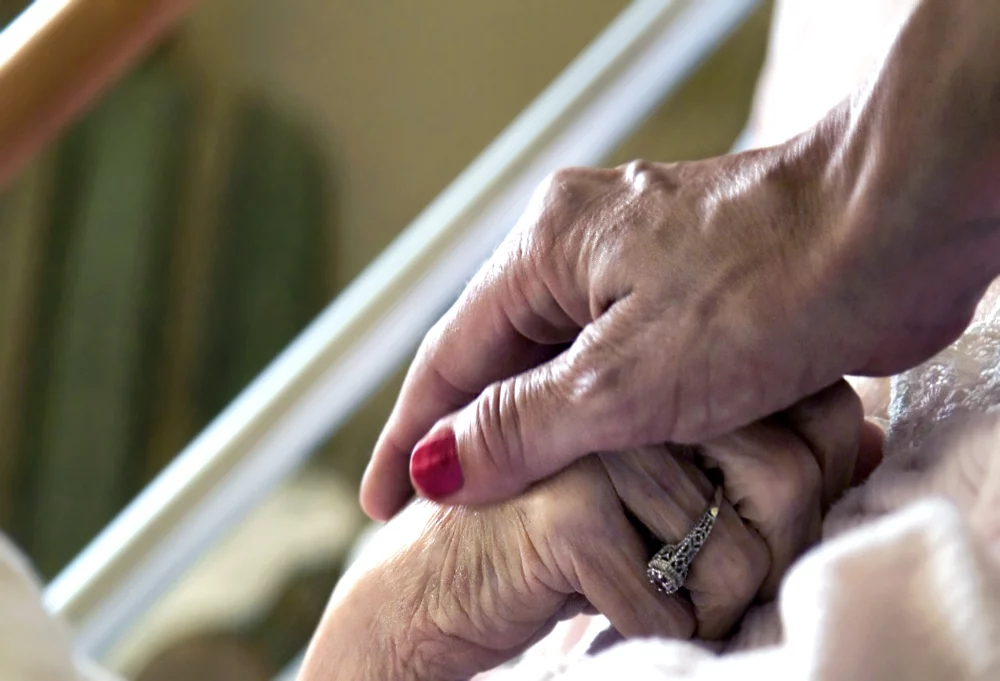
When a serious illness changes daily life, families often hear the terms palliative care and hospice care at the same time. For families in Prescott and throughout Yavapai County, understanding the difference can make conversations with doctors, caregivers, and loved ones easier during an already difficult period.
Quick answer: Palliative care focuses on relieving symptoms, pain, stress, and other burdens associated with a serious illness and may be provided alongside treatment intended to cure or control that illness. Hospice care also prioritizes comfort and quality of life, but it is designed for people approaching the end of life who meet hospice eligibility requirements and are no longer pursuing curative treatment for the terminal illness under the hospice benefit.
What local families should know
-
Palliative care can be appropriate at different stages of a serious illness and does not necessarily mean a person is nearing the end of life.
-
Hospice care is specifically intended for eligible patients with a terminal illness who choose comfort-focused care rather than treatment aimed at curing that terminal illness.
-
Families in Prescott, Prescott Valley, Chino Valley, and surrounding Yavapai County communities may receive certain supportive services in the home, depending on the care program and individual needs.
-
Both types of care can address physical symptoms as well as emotional, practical, and family concerns.
-
Asking about supportive care early can give patients and families more time to understand their options.
Why Does the Difference Between Palliative Care and Hospice Matter in Prescott?
The difference between palliative care and hospice matters in Prescott because choosing the right type of support depends on a person’s medical condition, goals, treatment plan, and stage of illness. Understanding those distinctions can help local families ask better questions and avoid assuming that all comfort-focused healthcare means the same thing.
Older adults and families throughout the Prescott area may be managing cancer, heart disease, lung disease, neurological conditions, or other serious illnesses while also coordinating appointments, medications, transportation, and help at home.
For people living outside the center of town, including those in Williamson Valley or nearby communities such as Chino Valley and Dewey-Humboldt, coordinating care can involve additional travel and caregiver planning. Knowing what each type of care provides can help families discuss realistic options with the patient’s healthcare team.
At Alaga Healthcare LLC/Alaga Home Care and Hospice, we understand that these conversations can involve both practical questions and deeply personal decisions. Our goal is to help patients and families understand available care options and make choices that reflect their needs and goals.
What Is Palliative Care?
Palliative care is specialized supportive care focused on improving quality of life and relieving the symptoms and stress associated with serious illness, and it can often be provided while a patient continues disease-directed treatment. The exact services and setting depend on the patient’s condition, healthcare providers, and available programs.
Palliative care may help address concerns such as pain, nausea, shortness of breath, fatigue, appetite changes, sleep problems, anxiety, or the stress associated with complex medical decisions.
A major distinction is timing. A person does not necessarily have to be in the final months of life to receive palliative care. It may become part of a care plan while someone is still receiving treatments intended to manage, slow, or potentially cure an illness.
For Yavapai County families, palliative care can also provide a framework for discussing what matters most to the patient, including comfort, independence, treatment priorities, and the level of support available from family caregivers.
What Is Hospice Care?
Hospice care is comfort-focused care for people with a terminal illness who meet hospice eligibility requirements and choose hospice rather than curative treatment for the terminal condition. Hospice addresses more than physical symptoms by supporting emotional, social, and spiritual needs while also providing resources and guidance for family caregivers.
Under the Medicare hospice benefit, eligibility generally involves a physician certifying that a patient has a life expectancy of six months or less if the illness follows its normal course. A patient may remain eligible beyond six months when the required criteria continue to be met.
Hospice is not simply a place. Depending on the patient’s circumstances and level of care required, hospice services are often provided where the patient lives.
For a Prescott family, that may mean receiving support in a private residence or another residential setting rather than repeatedly traveling for comfort-focused services.
What Are the Main Differences Between Palliative Care and Hospice?
The main difference between palliative care and hospice is that palliative care may accompany treatment for a serious illness, while hospice is specifically designed for eligible patients approaching the end of life who elect comfort-focused care instead of curative treatment for the terminal illness. Both approaches emphasize comfort, dignity, symptom management, and quality of life.
A simple comparison can help:
Palliative care
-
May begin at various stages of a serious illness.
-
May be provided alongside curative or disease-directed treatment.
-
Focuses on symptom relief and quality of life.
-
Eligibility and coverage vary by program and insurance plan.
Hospice care
-
Is intended for patients who meet specific terminal-illness eligibility requirements.
-
Focuses on comfort rather than curing the terminal illness.
-
Includes an interdisciplinary approach to patient and family support.
-
May be covered through Medicare, Medicaid, or private insurance when applicable requirements are met.
Because every situation is different, patients should discuss eligibility, coverage, and treatment decisions with their physician, hospice provider, and insurance plan.
What Signs May Indicate It Is Time to Discuss Supportive Care?
It may be time to discuss palliative or hospice care when a serious illness is causing increasing symptoms, repeated medical needs, declining function, or difficult decisions about whether ongoing treatment still matches the patient’s goals. These signs do not automatically mean hospice is appropriate, but they can signal that a care conversation would be useful.
Possible signs include:
-
Pain, breathlessness, nausea, fatigue, or other symptoms becoming harder to manage.
-
Increasing difficulty with bathing, dressing, walking, eating, or other daily activities.
-
More frequent emergency department visits or hospital stays.
-
Significant changes in appetite, strength, or alertness.
-
Treatment side effects creating a substantial burden.
-
Family caregivers becoming increasingly concerned about managing needs at home.
-
The patient expressing a stronger preference for comfort or remaining at home.
-
Questions arising about whether additional hospital-based treatment matches the patient’s wishes.
Families across Prescott Valley, Chino Valley, and the greater Quad Cities area do not need to wait for a crisis to begin asking these questions.
When Should You Talk With a Healthcare Professional?
You should talk with a healthcare professional when symptoms become difficult to control, the patient’s condition is changing, or the family is uncertain whether palliative care or hospice better matches current goals. A physician or qualified care provider can evaluate the medical situation and explain which services may be appropriate.
Families can safely start by writing down questions, symptoms, recent changes, medications, and the patient’s priorities. They can also discuss what the patient considers most important, such as remaining comfortable at home, continuing certain treatments, or reducing hospital visits.
Medical eligibility should not be determined through a checklist alone. Hospice eligibility requires an appropriate clinical assessment and certification.
If there is an immediate medical emergency or a sudden life-threatening change, seek emergency medical assistance rather than waiting for a routine hospice or palliative care consultation.
What Common Misunderstandings Should Prescott Families Avoid?
Common misunderstandings include assuming that palliative care and hospice are identical, believing hospice always means moving to a facility, or thinking that asking about hospice forces someone to enroll. Prescott families can avoid unnecessary confusion by treating the first conversation as an opportunity to gather information rather than as an irreversible decision.
Mistake: Assuming palliative care means treatment must stop.
Consequence: A patient may miss supportive services that could help with symptoms while other treatment continues.
Better approach: Ask whether palliative support can complement the current treatment plan.
Mistake: Waiting for a crisis to learn about hospice.
Consequence: Families may have to make complicated decisions while under greater stress.
Better approach: Ask questions earlier when a serious illness is progressing.
Mistake: Assuming hospice services are identical for every patient.
Consequence: Families may develop expectations that do not match the patient’s care plan.
Better approach: Ask what services are included based on individual needs and eligibility.
What Might a Common Local Care Scenario Look Like?
A common local scenario may involve a Yavapai County family caring for an older adult whose serious illness has gradually made daily activities and symptom management more difficult. This example is illustrative rather than a case study, and the appropriate care choice would depend on the patient’s diagnosis, prognosis, preferences, and clinical evaluation.
Earlier in the illness, palliative care may help the person manage symptoms while treatment continues. If the illness progresses and the patient’s priorities shift toward comfort rather than curative treatment, the family might ask whether hospice eligibility should be evaluated.
For a family living near Prescott’s Granite Dells, in Williamson Valley, or farther into surrounding communities, receiving appropriate support at home may also reduce some of the practical strain associated with frequent travel.
How Can Hospice and Home Care Services Support Local Families?
Hospice and home-based care services can support local families by bringing appropriate assistance, education, and comfort-focused resources into the patient’s living environment when those services match the person’s needs. The specific type and frequency of support depend on the care program, clinical assessment, eligibility, and individualized plan of care.
Families may need help understanding symptoms, medications, caregiving responsibilities, safety concerns, and changes that may occur as an illness progresses.
We can help families explore appropriate care options and understand what services may be available based on their circumstances.
Need Help Understanding Your Care Options?
How Should Families Compare Palliative Care and Hospice?
Families should compare palliative care and hospice by looking at the patient’s prognosis, current treatment goals, symptom burden, desired setting of care, and eligibility rather than choosing based on the names alone. A conversation involving the patient, family, physician, and care providers can clarify which approach best supports current priorities.
If the patient wants to continue treatment intended to cure or control the illness while receiving additional symptom support, palliative care may be worth discussing.
If the patient has a terminal illness, meets hospice requirements, and wants care centered on comfort rather than curative treatment for that illness, a hospice evaluation may be appropriate.
The choice should reflect the patient’s values whenever possible.
What Areas Can Local Families Ask About for Care?
Families in Prescott and surrounding Yavapai County communities can ask whether home care or hospice services are available at their specific address and appropriate for their individual circumstances. Service availability should always be confirmed directly rather than assumed based solely on proximity to the primary service area.
Families in nearby communities such as Prescott Valley, Chino Valley, Dewey-Humboldt, and other parts of the region can contact us to discuss service availability.
What Can Happen When Families Delay the Conversation?
Delaying conversations about supportive care can leave patients and caregivers with less time to understand options, clarify preferences, and prepare for changing care needs. Waiting does not necessarily cause a specific outcome, but it can make decisions more difficult if symptoms worsen or a sudden health change creates urgency.
Early conversations are about information and planning. They can help everyone understand what the patient wants, what family caregivers can realistically provide, and which professional services may be appropriate.
Get Answers Before Care Needs Become More Urgent
Frequently Asked Questions About Palliative Care and Hospice
Can someone receive palliative care without being on hospice in Prescott?
Yes. Palliative care and hospice are different forms of supportive care, and palliative care may be provided without hospice enrollment. A person with a serious illness may receive palliative support while continuing disease-directed treatment. Availability, eligibility, and insurance coverage can vary, so Prescott families should confirm options with their healthcare providers and insurance plan.
Does choosing hospice mean all medical care stops?
No. Hospice does not mean that all medical care stops. Hospice focuses care on comfort and quality of life rather than curing the terminal illness. The hospice care team develops an individualized plan for needs related to the terminal condition, while questions about unrelated medical care and coverage should be discussed with the hospice provider.
Can hospice care be provided at home in Prescott?
Yes, hospice care can often be provided in the place a patient calls home when the patient’s circumstances and care needs allow it. Prescott families should ask a hospice provider about service availability, levels of care, caregiver responsibilities, equipment, medications, and what happens if symptoms become difficult to manage.
Is hospice only for the final few days of life?
No. Hospice is not limited to the final few days of life. Medicare hospice eligibility generally centers on a physician-certified prognosis of six months or less if the terminal illness follows its normal course, with continued eligibility possible when requirements remain satisfied. Individual eligibility requires clinical assessment.
Can families in Prescott Valley ask about hospice services?
Yes. Families in Prescott Valley can contact a hospice provider to ask about service availability and whether a loved one may qualify for care. Because eligibility depends on medical circumstances rather than location alone, families should discuss the patient’s diagnosis, recent health changes, goals, and physician involvement when exploring hospice.
What is the first step if my parent in Yavapai County may need hospice?
The first step is to discuss the changes you are seeing and request information about whether a hospice evaluation may be appropriate. Families in Yavapai County can speak with the patient’s physician and a hospice provider about prognosis, symptoms, care goals, eligibility requirements, and what support could be provided.
Does palliative care mean a person is dying?
No. Receiving palliative care does not necessarily mean a person is dying or has stopped treatment. Palliative care focuses on relief from symptoms and stress associated with serious illness and can be appropriate at different stages. The patient’s healthcare team can explain how palliative services might fit alongside the existing treatment plan.
How do we know whether hospice is the right choice for our family?
Hospice may be appropriate when an eligible patient with a terminal illness wants care focused primarily on comfort and quality of life rather than curative treatment for that illness. The decision should consider medical eligibility, the patient’s goals, family circumstances, and guidance from healthcare professionals rather than any single symptom or event.
Understanding palliative care and hospice gives Prescott-area families a stronger foundation for discussing serious illness and future care. You do not need to have every answer before starting the conversation. Knowing the patient’s goals and asking informed questions can help determine the most appropriate next step.
Find Comfort-Focused Care That Fits Your Family’s Needs
We are here to help local families understand their options with clarity, compassion, and respect for each patient’s individual care goals.