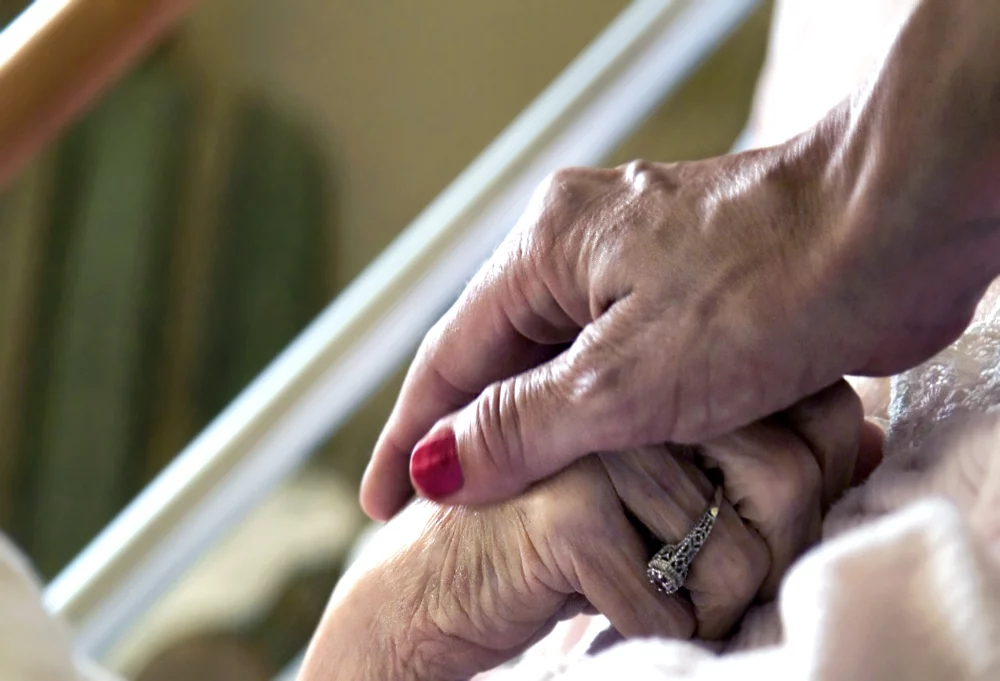
When a serious illness changes daily life, families often hear the terms palliative care and hospice care at the same time. For families in Prescott and throughout Yavapai County, understanding the difference can make conversations with doctors, caregivers, and loved ones easier during an already difficult period.
Quick answer: Palliative care focuses on relieving symptoms, pain, stress, and other burdens associated with a serious illness and may be provided alongside treatment intended to cure or control that illness. Hospice care also prioritizes comfort and quality of life, but it is designed for people approaching the end of life who meet hospice eligibility requirements and are no longer pursuing curative treatment for the terminal illness under the hospice benefit.
What local families should know
-
Palliative care can be appropriate at different stages of a serious illness and does not necessarily mean a person is nearing the end of life.
-
Hospice care is specifically intended for eligible patients with a terminal illness who choose comfort-focused care rather than treatment aimed at curing that terminal illness.
-
Families in Prescott, Prescott Valley, Chino Valley, and surrounding Yavapai County communities may receive certain supportive services in the home, depending on the care program and individual needs.
-
Both types of care can address physical symptoms as well as emotional, practical, and family concerns.
-
Asking about supportive care early can give patients and families more time to understand their options.
Why Does the Difference Between Palliative Care and Hospice Matter in Prescott?
The difference between palliative care and hospice matters in Prescott because choosing the right type of support depends on a person’s medical condition, goals, treatment plan, and stage of illness. Understanding those distinctions can help local families ask better questions and avoid assuming that all comfort-focused healthcare means the same thing.
Older adults and families throughout the Prescott area may be managing cancer, heart disease, lung disease, neurological conditions, or other serious illnesses while also coordinating appointments, medications, transportation, and help at home.
For people living outside the center of town, including those in Williamson Valley or nearby communities such as Chino Valley and Dewey-Humboldt, coordinating care can involve additional travel and caregiver planning. Knowing what each type of care provides can help families discuss realistic options with the patient’s healthcare team.
At Alaga Healthcare LLC/Alaga Home Care and Hospice, we understand that these conversations can involve both practical questions and deeply personal decisions. Our goal is to help patients and families understand available care options and make choices that reflect their needs and goals.
What Is Palliative Care?
Palliative care is specialized supportive care focused on improving quality of life and relieving the symptoms and stress associated with serious illness, and it can often be provided while a patient continues disease-directed treatment. The exact services and setting depend on the patient’s condition, healthcare providers, and available programs.
Palliative care may help address concerns such as pain, nausea, shortness of breath, fatigue, appetite changes, sleep problems, anxiety, or the stress associated with complex medical decisions.
A major distinction is timing. A person does not necessarily have to be in the final months of life to receive palliative care. It may become part of a care plan while someone is still receiving treatments intended to manage, slow, or potentially cure an illness.
For Yavapai County families, palliative care can also provide a framework for discussing what matters most to the patient, including comfort, independence, treatment priorities, and the level of support available from family caregivers.
What Is Hospice Care?
Hospice care is comfort-focused care for people with a terminal illness who meet hospice eligibility requirements and choose hospice rather than curative treatment for the terminal condition. Hospice addresses more than physical symptoms by supporting emotional, social, and spiritual needs while also providing resources and guidance for family caregivers.
Under the Medicare hospice benefit, eligibility generally involves a physician certifying that a patient has a life expectancy of six months or less if the illness follows its normal course. A patient may remain eligible beyond six months when the required criteria continue to be met.
Hospice is not simply a place. Depending on the patient’s circumstances and level of care required, hospice services are often provided where the patient lives.
For a Prescott family, that may mean receiving support in a private residence or another residential setting rather than repeatedly traveling for comfort-focused services.
What Are the Main Differences Between Palliative Care and Hospice?
The main difference between palliative care and hospice is that palliative care may accompany treatment for a serious illness, while hospice is specifically designed for eligible patients approaching the end of life who elect comfort-focused care instead of curative treatment for the terminal illness. Both approaches emphasize comfort, dignity, symptom management, and quality of life.
A simple comparison can help:
Palliative care
-
May begin at various stages of a serious illness.
-
May be provided alongside curative or disease-directed treatment.
-
Focuses on symptom relief and quality of life.
-
Eligibility and coverage vary by program and insurance plan.
Hospice care
-
Is intended for patients who meet specific terminal-illness eligibility requirements.
-
Focuses on comfort rather than curing the terminal illness.
-
Includes an interdisciplinary approach to patient and family support.
-
May be covered through Medicare, Medicaid, or private insurance when applicable requirements are met.
Because every situation is different, patients should discuss eligibility, coverage, and treatment decisions with their physician, hospice provider, and insurance plan.
What Signs May Indicate It Is Time to Discuss Supportive Care?
It may be time to discuss palliative or hospice care when a serious illness is causing increasing symptoms, repeated medical needs, declining function, or difficult decisions about whether ongoing treatment still matches the patient’s goals. These signs do not automatically mean hospice is appropriate, but they can signal that a care conversation would be useful.
Possible signs include:
-
Pain, breathlessness, nausea, fatigue, or other symptoms becoming harder to manage.
-
Increasing difficulty with bathing, dressing, walking, eating, or other daily activities.
-
More frequent emergency department visits or hospital stays.
-
Significant changes in appetite, strength, or alertness.
-
Treatment side effects creating a substantial burden.
-
Family caregivers becoming increasingly concerned about managing needs at home.
-
The patient expressing a stronger preference for comfort or remaining at home.
-
Questions arising about whether additional hospital-based treatment matches the patient’s wishes.
Families across Prescott Valley, Chino Valley, and the greater Quad Cities area do not need to wait for a crisis to begin asking these questions.
When Should You Talk With a Healthcare Professional?
You should talk with a healthcare professional when symptoms become difficult to control, the patient’s condition is changing, or the family is uncertain whether palliative care or hospice better matches current goals. A physician or qualified care provider can evaluate the medical situation and explain which services may be appropriate.
Families can safely start by writing down questions, symptoms, recent changes, medications, and the patient’s priorities. They can also discuss what the patient considers most important, such as remaining comfortable at home, continuing certain treatments, or reducing hospital visits.
Medical eligibility should not be determined through a checklist alone. Hospice eligibility requires an appropriate clinical assessment and certification.
If there is an immediate medical emergency or a sudden life-threatening change, seek emergency medical assistance rather than waiting for a routine hospice or palliative care consultation.
What Common Misunderstandings Should Prescott Families Avoid?
Common misunderstandings include assuming that palliative care and hospice are identical, believing hospice always means moving to a facility, or thinking that asking about hospice forces someone to enroll. Prescott families can avoid unnecessary confusion by treating the first conversation as an opportunity to gather information rather than as an irreversible decision.
Mistake: Assuming palliative care means treatment must stop.
Consequence: A patient may miss supportive services that could help with symptoms while other treatment continues.
Better approach: Ask whether palliative support can complement the current treatment plan.
Mistake: Waiting for a crisis to learn about hospice.
Consequence: Families may have to make complicated decisions while under greater stress.
Better approach: Ask questions earlier when a serious illness is progressing.
Mistake: Assuming hospice services are identical for every patient.
Consequence: Families may develop expectations that do not match the patient’s care plan.
Better approach: Ask what services are included based on individual needs and eligibility.
What Might a Common Local Care Scenario Look Like?
A common local scenario may involve a Yavapai County family caring for an older adult whose serious illness has gradually made daily activities and symptom management more difficult. This example is illustrative rather than a case study, and the appropriate care choice would depend on the patient’s diagnosis, prognosis, preferences, and clinical evaluation.
Earlier in the illness, palliative care may help the person manage symptoms while treatment continues. If the illness progresses and the patient’s priorities shift toward comfort rather than curative treatment, the family might ask whether hospice eligibility should be evaluated.
For a family living near Prescott’s Granite Dells, in Williamson Valley, or farther into surrounding communities, receiving appropriate support at home may also reduce some of the practical strain associated with frequent travel.
How Can Hospice and Home Care Services Support Local Families?
Hospice and home-based care services can support local families by bringing appropriate assistance, education, and comfort-focused resources into the patient’s living environment when those services match the person’s needs. The specific type and frequency of support depend on the care program, clinical assessment, eligibility, and individualized plan of care.
Families may need help understanding symptoms, medications, caregiving responsibilities, safety concerns, and changes that may occur as an illness progresses.
We can help families explore appropriate care options and understand what services may be available based on their circumstances.
Need Help Understanding Your Care Options?
How Should Families Compare Palliative Care and Hospice?
Families should compare palliative care and hospice by looking at the patient’s prognosis, current treatment goals, symptom burden, desired setting of care, and eligibility rather than choosing based on the names alone. A conversation involving the patient, family, physician, and care providers can clarify which approach best supports current priorities.
If the patient wants to continue treatment intended to cure or control the illness while receiving additional symptom support, palliative care may be worth discussing.
If the patient has a terminal illness, meets hospice requirements, and wants care centered on comfort rather than curative treatment for that illness, a hospice evaluation may be appropriate.
The choice should reflect the patient’s values whenever possible.
What Areas Can Local Families Ask About for Care?
Families in Prescott and surrounding Yavapai County communities can ask whether home care or hospice services are available at their specific address and appropriate for their individual circumstances. Service availability should always be confirmed directly rather than assumed based solely on proximity to the primary service area.
Families in nearby communities such as Prescott Valley, Chino Valley, Dewey-Humboldt, and other parts of the region can contact us to discuss service availability.
What Can Happen When Families Delay the Conversation?
Delaying conversations about supportive care can leave patients and caregivers with less time to understand options, clarify preferences, and prepare for changing care needs. Waiting does not necessarily cause a specific outcome, but it can make decisions more difficult if symptoms worsen or a sudden health change creates urgency.
Early conversations are about information and planning. They can help everyone understand what the patient wants, what family caregivers can realistically provide, and which professional services may be appropriate.
Get Answers Before Care Needs Become More Urgent
Frequently Asked Questions About Palliative Care and Hospice
Can someone receive palliative care without being on hospice in Prescott?
Yes. Palliative care and hospice are different forms of supportive care, and palliative care may be provided without hospice enrollment. A person with a serious illness may receive palliative support while continuing disease-directed treatment. Availability, eligibility, and insurance coverage can vary, so Prescott families should confirm options with their healthcare providers and insurance plan.
Does choosing hospice mean all medical care stops?
No. Hospice does not mean that all medical care stops. Hospice focuses care on comfort and quality of life rather than curing the terminal illness. The hospice care team develops an individualized plan for needs related to the terminal condition, while questions about unrelated medical care and coverage should be discussed with the hospice provider.
Can hospice care be provided at home in Prescott?
Yes, hospice care can often be provided in the place a patient calls home when the patient’s circumstances and care needs allow it. Prescott families should ask a hospice provider about service availability, levels of care, caregiver responsibilities, equipment, medications, and what happens if symptoms become difficult to manage.
Is hospice only for the final few days of life?
No. Hospice is not limited to the final few days of life. Medicare hospice eligibility generally centers on a physician-certified prognosis of six months or less if the terminal illness follows its normal course, with continued eligibility possible when requirements remain satisfied. Individual eligibility requires clinical assessment.
Can families in Prescott Valley ask about hospice services?
Yes. Families in Prescott Valley can contact a hospice provider to ask about service availability and whether a loved one may qualify for care. Because eligibility depends on medical circumstances rather than location alone, families should discuss the patient’s diagnosis, recent health changes, goals, and physician involvement when exploring hospice.
What is the first step if my parent in Yavapai County may need hospice?
The first step is to discuss the changes you are seeing and request information about whether a hospice evaluation may be appropriate. Families in Yavapai County can speak with the patient’s physician and a hospice provider about prognosis, symptoms, care goals, eligibility requirements, and what support could be provided.
Does palliative care mean a person is dying?
No. Receiving palliative care does not necessarily mean a person is dying or has stopped treatment. Palliative care focuses on relief from symptoms and stress associated with serious illness and can be appropriate at different stages. The patient’s healthcare team can explain how palliative services might fit alongside the existing treatment plan.
How do we know whether hospice is the right choice for our family?
Hospice may be appropriate when an eligible patient with a terminal illness wants care focused primarily on comfort and quality of life rather than curative treatment for that illness. The decision should consider medical eligibility, the patient’s goals, family circumstances, and guidance from healthcare professionals rather than any single symptom or event.
Understanding palliative care and hospice gives Prescott-area families a stronger foundation for discussing serious illness and future care. You do not need to have every answer before starting the conversation. Knowing the patient’s goals and asking informed questions can help determine the most appropriate next step.
Find Comfort-Focused Care That Fits Your Family’s Needs
We are here to help local families understand their options with clarity, compassion, and respect for each patient’s individual care goals.
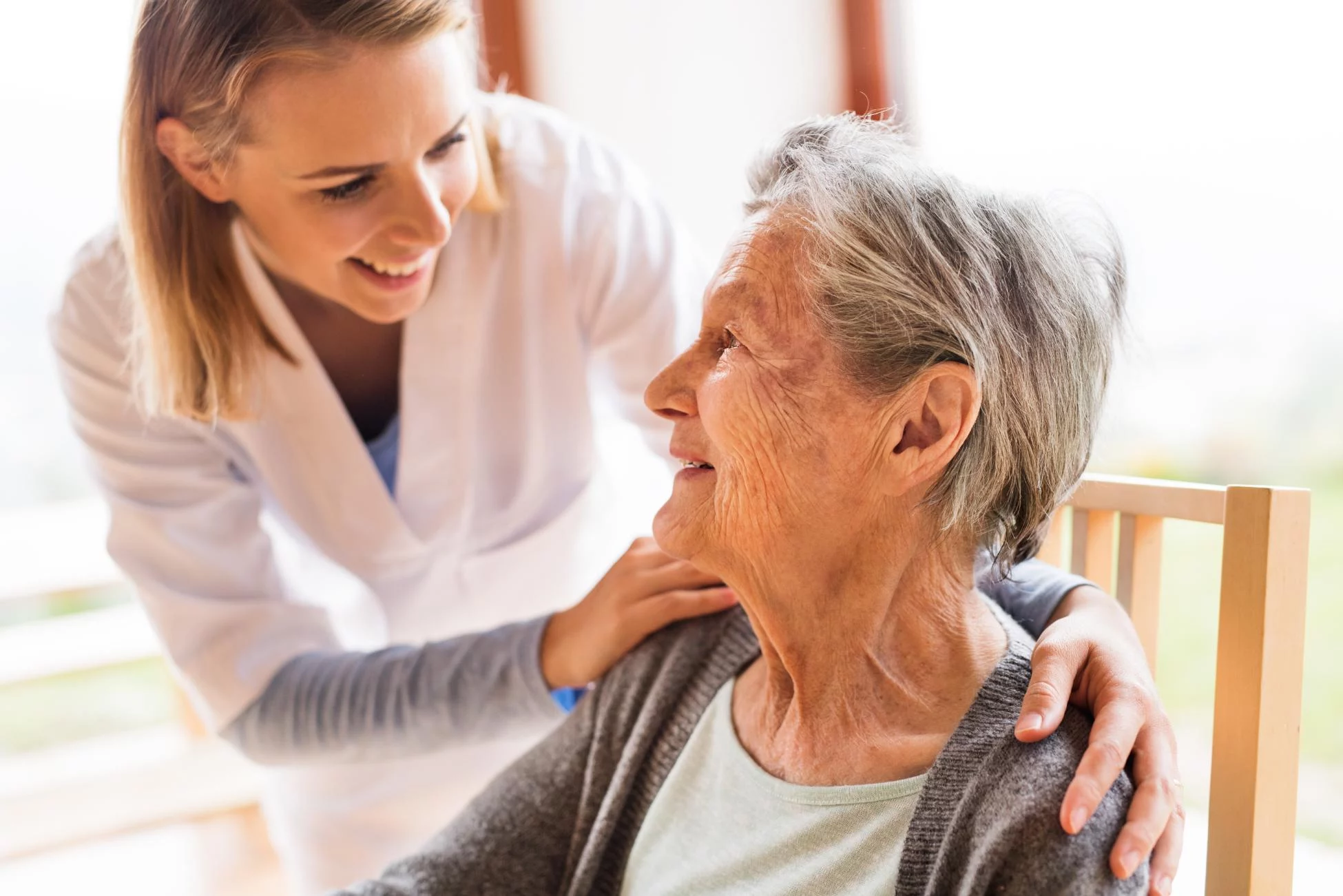
Many older adults and individuals with chronic health conditions in Prescott, AZ want quality medical care without the stress of traveling to appointments. Between hilly neighborhoods, seasonal winter weather, and the challenges of managing multiple health concerns, getting to a clinic is not always easy. Home-based primary care offers a practical solution that brings healthcare directly to patients where they are most comfortable.
Primary care at home allows patients to receive ongoing medical care in the comfort of their own homes. This approach can improve convenience, support better health management, reduce unnecessary hospital visits, and provide personalized care that fits each individual’s needs. It is especially valuable for seniors, people with limited mobility, and those managing chronic illnesses.
What Local Readers Should Know
- Home-based primary care can reduce the need for frequent travel across Prescott and surrounding communities for routine appointments.
- Many seniors living in Prescott Valley, Chino Valley, and Dewey-Humboldt benefit from healthcare that comes directly to them.
- Patients often experience better continuity of care because providers can better understand their home environment.
- Family caregivers gain valuable support through regular communication and coordinated treatment plans.
- Receiving care at home may help identify health concerns before they become medical emergencies.
Why This Matters Locally
Receiving medical care at home can make a significant difference for residents throughout Yavapai County. Many local seniors prefer aging in place, and transportation can become increasingly difficult over time. Weather conditions, winding roads, and the distance between rural communities and medical facilities may also create challenges for regular healthcare visits.
Alaga Healthcare LLC/Alaga Home Care and Hospice provides home-based healthcare services designed to help patients receive consistent medical attention while remaining comfortable in familiar surroundings. We believe quality healthcare should meet patients where they are, making it easier to manage ongoing health needs while maintaining independence.
Home-Based Primary Care Offers Personalized Medical Attention
Primary care at home allows healthcare providers to better understand each patient’s daily environment and individual needs. Instead of seeing patients only in a clinical setting, providers can observe factors that may influence health, including mobility, nutrition, medication organization, and home safety.
This broader perspective often leads to more personalized care plans that reflect each patient’s actual living situation.
It Reduces Stress and Travel Burden
Traveling to medical appointments can become physically exhausting for many older adults and individuals with chronic illnesses. Home visits eliminate concerns about transportation, parking, long waiting rooms, or arranging rides.
For residents living in neighborhoods throughout Prescott or nearby communities such as Williamson Valley and Prescott Valley, avoiding unnecessary travel can significantly improve overall comfort and reduce appointment-related stress.
Better Management of Chronic Conditions
Receiving ongoing care at home helps patients manage chronic illnesses through regular monitoring and timely adjustments to treatment plans. Conditions commonly managed through home-based primary care include:
- Diabetes
- Heart disease
- High blood pressure
- Chronic obstructive pulmonary disease (COPD)
- Arthritis
- Dementia
Routine follow-up visits help identify changes before they develop into more serious medical problems.
Improved Medication Management
Medication errors become more common as prescriptions increase. Home visits allow providers to review medications exactly as patients are taking them.
This process can identify:
- Duplicate medications
- Missed doses
- Expired prescriptions
- Potential drug interactions
- Confusion about medication schedules
Clear medication management supports safer and more effective treatment.
Stronger Support for Family Caregivers
Family caregivers often coordinate appointments, medications, and communication between multiple healthcare providers. Home-based primary care encourages caregivers to participate in appointments without additional travel or scheduling challenges.
Providers can answer questions, explain treatment plans, and help caregivers better understand changing medical needs.
Earlier Identification of Health Concerns
Routine home visits may help identify health issues before they require emergency treatment. Providers can notice subtle changes such as:
- Increased difficulty walking
- Poor nutrition
- Changes in memory
- New swelling
- Signs of infection
- Fall risks inside the home
Addressing concerns early often leads to better health outcomes.
Better Coordination with Other Healthcare Services
Primary care providers frequently work alongside specialists, therapists, home health professionals, and hospice teams when appropriate.
Improved communication between healthcare providers helps reduce duplicate testing, conflicting instructions, and gaps in care while supporting more coordinated treatment.
Greater Comfort During Medical Visits
Many patients feel more relaxed in familiar surroundings than they do in a medical office. Reduced anxiety can make conversations more productive and encourage patients to discuss symptoms or concerns they might otherwise overlook.
Comfort also allows providers to spend more focused time addressing patient questions and developing realistic care plans.
Fewer Unnecessary Hospital Visits
Consistent monitoring and early intervention may reduce preventable emergency department visits for some patients.
By addressing symptoms before they worsen, providers can often recommend treatment adjustments that help patients remain safely at home whenever medically appropriate.
Supports Aging in Place
One of the greatest benefits of home-based primary care is helping individuals remain safely in their own homes for as long as possible.
Many older adults throughout Prescott value their independence and want to continue living in familiar surroundings close to family, neighbors, and community activities. Regular medical care delivered at home supports that goal while providing ongoing health oversight.
Professional Field Observation
Healthcare professionals who provide home-based primary care often observe that patients become more engaged in managing their health when care is delivered in familiar surroundings. Home visits frequently encourage more open conversations about daily routines, mobility challenges, nutrition, and medication use because providers can see the patient’s environment firsthand rather than relying only on office discussions.
Warning Signs That Home-Based Primary Care May Be Beneficial
Home-based primary care may be worth discussing with a healthcare provider if someone is experiencing:
- Difficulty traveling to medical appointments
- Multiple chronic health conditions
- Frequent hospitalizations
- Limited mobility
- Increasing reliance on family caregivers
- Memory impairment
- Challenges managing medications
When to Consider Professional Home-Based Care
Individuals who occasionally need transportation assistance may still benefit from traditional office visits. However, people experiencing ongoing mobility limitations, multiple chronic illnesses, or difficulty maintaining regular medical appointments should discuss whether home-based primary care is appropriate for their situation.
Prevention and Ongoing Health Maintenance
Regular preventive care remains essential regardless of where medical appointments occur.
Patients can support their health by:
- Keeping medication lists updated.
- Monitoring changes in symptoms.
- Following treatment recommendations.
- Staying physically active when medically appropriate.
- Maintaining regular communication with healthcare providers.
Routine home visits help reinforce these healthy habits.
Expected Results
Home-based primary care does not eliminate every medical concern, but it can improve continuity of care, strengthen communication, and help patients manage chronic conditions more effectively. Many individuals experience greater convenience, better coordination between providers, and increased confidence in managing their health over time.
Common Mistakes
Waiting until health problems become emergencies. Delaying routine care often leads to more complex medical issues. Regular monitoring allows providers to identify changes earlier.
Assuming home care is only for hospice patients. Home-based primary care serves many individuals who simply need ongoing medical management while continuing their normal daily lives.
Overlooking caregiver support. Family caregivers benefit from regular communication with healthcare providers and should be included whenever appropriate.
Common Local Scenario
A common situation in the Prescott area involves an older adult living independently who begins finding it increasingly difficult to drive to routine appointments. Family members may live in nearby communities like Chino Valley or Dewey-Humboldt and cannot always provide transportation. Home-based primary care allows the individual to continue receiving regular medical attention without unnecessary travel while helping family members stay informed about ongoing care.
Related Healthcare Services
Depending on individual needs, patients receiving home-based primary care may also benefit from:
- Skilled nursing
- Home health services
- Chronic disease management
- Palliative care
- Hospice care when medically appropriate
- Care coordination with specialists
Comparing Your Options
| Office Visits |
Home-Based Primary Care |
| Requires transportation |
Care comes to the patient |
| Travel and waiting rooms |
Comfortable home environment |
| Limited view of home conditions |
Provider sees daily living environment |
| May be difficult for mobility challenges |
Ideal for patients with limited mobility |
| Standard appointment scheduling |
Personalized visits based on patient needs |
Service Areas
We proudly serve patients throughout Prescott, Prescott Valley, Chino Valley, Dewey-Humboldt, and surrounding communities across Yavapai County. Our goal is to help local residents receive compassionate healthcare while remaining comfortably at home.
The Cost of Delaying Care
Postponing routine medical care can allow chronic conditions to worsen before treatment begins. Missing appointments, delaying medication adjustments, or waiting until symptoms become severe may increase the likelihood of emergency care or hospitalization. Receiving consistent primary care at home helps patients stay connected with ongoing medical support.
Frequently Asked Questions
Is primary care at home available in Prescott, AZ?
Yes. Home-based primary care is available for many eligible patients in Prescott and nearby communities. Availability depends on individual medical needs and service coverage.
Who benefits most from home-based primary care in Yavapai County?
Older adults, individuals with chronic illnesses, patients with limited mobility, and those who have difficulty traveling to appointments often benefit the most from receiving care at home.
Can family members participate in home medical visits?
Yes. Family caregivers are encouraged to participate whenever possible. Their involvement helps improve communication and supports ongoing treatment plans.
Does home-based primary care replace specialist appointments?
Not always. Primary care providers often coordinate with specialists while continuing to manage routine healthcare and chronic conditions at home.
Is home-based primary care helpful during Prescott winters?
Yes. Seasonal weather and icy road conditions can make travel more difficult for some patients. Receiving care at home reduces the need to travel during challenging weather.
Can patients living outside Prescott receive home-based care?
Many providers serve surrounding communities including Prescott Valley, Chino Valley, Dewey-Humboldt, and other areas throughout Yavapai County. Service availability varies by location.
Helping You Receive Quality Healthcare at Home
Receiving primary care at home offers more than convenience. It supports consistent medical care, stronger relationships with healthcare providers, and greater peace of mind for patients and families throughout the Prescott area. Whether managing a chronic illness or seeking a more comfortable healthcare experience, home-based care allows many individuals to remain healthier while staying where they feel most at ease.
Experience Compassionate Primary Care Without Leaving Home
Our team is committed to helping patients throughout Prescott and surrounding communities receive personalized healthcare where they are most comfortable.
Caring for a loved one through a serious illness is one of the most demanding experiences a family can go through. As the condition progresses, families in Prescott, AZ often find themselves wondering whether it might be time to consider hospice care. This question can bring up feelings of guilt, fear, and uncertainty, but understanding the signs that point toward hospice can help families make informed decisions and provide the best possible quality of life for their loved one.
Hospice care is not about giving up. It is about shifting the focus from curative treatment to comfort, dignity, and meaningful time together. For families in Prescott, AZ, recognizing the signs early can make a significant difference in how smoothly this transition unfolds and how much support is available during a difficult chapter.
Frequent Hospital Visits or Declining Response to Treatment
One of the clearest indicators that it may be time to explore hospice services in Prescott, AZ is a pattern of repeated hospitalizations or emergency room visits that no longer seem to improve the person’s condition. If a loved one is cycling in and out of the hospital, experiencing more frequent infections, or simply not bouncing back the way they used to after treatment, this can be a signal that the illness has progressed to a more advanced stage.
Doctors may also begin to express that further aggressive treatments, such as chemotherapy, dialysis, or surgery, are unlikely to change the course of the illness or may cause more discomfort than benefit. When a physician starts using language like “there is nothing more we can do to cure this” or “treatment options are limited,” it is often a cue for families to start the conversation about end-of-life care. At this point, many families find that in-home hospice care in Prescott, AZ offers a gentler path forward, allowing their loved one to remain in familiar surroundings while receiving expert medical support focused on comfort rather than cure.
Noticeable Decline in Daily Functioning
Another important sign is a steady decline in a person’s ability to manage daily activities. This might include needing help with basic tasks like bathing, dressing, eating, or moving from a bed to a chair. While some decline is normal with chronic illness or aging, a rapid or significant drop in independence often points to a shift in overall health status.
Families may notice their loved one sleeping much more than usual, showing less interest in food and drink, or becoming withdrawn from conversations and activities they once enjoyed. Weight loss that cannot be explained by diet changes, along with muscle weakness and increased fatigue, are also common markers. When these changes happen together and continue over weeks rather than days, it may be time to talk with a healthcare provider about hospice care in Prescott, AZ and what additional support could look like.
It is worth noting that these signs do not always mean death is imminent. Hospice care can begin months before the final days of life, and many patients actually live longer and more comfortably with hospice support than they would with continued aggressive treatment. The goal is to address symptoms early, manage pain proactively, and give the patient and family more time to focus on what matters most.
Increased Pain, Symptom Management Challenges, or Emotional Distress
Pain and symptom control become more difficult to manage as a serious illness advances. If medications that once worked well no longer provide relief, or if a loved one is experiencing new or worsening symptoms such as shortness of breath, nausea, confusion, or restlessness, this can be a strong indication that specialized end-of-life care is needed.
Hospice teams are trained specifically in symptom management for people with life-limiting illnesses. They have access to medications, equipment, and techniques that primary care providers or family caregivers may not have readily available. For families in Prescott, AZ, having a hospice team involved can mean the difference between a loved one suffering through uncomfortable symptoms and experiencing genuine relief and peace.
Emotional and psychological changes are just as important to watch for. Increased anxiety, depression, fear about the future, or conversations about wanting to “let go” can all be signs that a person is approaching the end of life and may benefit from the holistic support hospice provides. This support extends beyond the patient too. Hospice services in Prescott, AZ typically include counseling and emotional support for family members, helping everyone navigate this difficult time together.
Caregiver Burnout and the Need for Additional Support
Sometimes the signs that it is time for hospice are not just about the patient, they are about the family and caregivers too. Caring for a loved one with a serious illness is exhausting, both physically and emotionally. If a primary caregiver is feeling overwhelmed, sleep-deprived, isolated, or unable to keep up with the increasing demands of care, this is an important signal that more help is needed.
Caregiver burnout is real, and it can affect the quality of care a loved one receives as well as the caregiver’s own health. Hospice care at home brings a team of professionals, including nurses, aides, social workers, and chaplains, into the picture to share the load. This team-based approach means family members can step back from some of the more demanding physical tasks and instead focus on spending quality time with their loved one.
For many families in Prescott, AZ, the relief that comes with hospice support is immediate. Knowing that a nurse is just a phone call away, that medications and equipment will be delivered, and that someone trained in end-of-life care is checking in regularly can ease an enormous amount of stress. This support allows families to be present in a more meaningful way, rather than constantly managing logistics and medical tasks on their own.
A Doctor’s Prognosis of Six Months or Less
While many of the signs above are based on observation and changes in condition, there is also a formal medical criterion for hospice eligibility. To qualify for hospice care, a physician must certify that, in their professional judgment, the patient has a life expectancy of six months or less if the illness runs its expected course. This applies to a wide range of conditions, including advanced cancer, heart failure, COPD, dementia, kidney disease, and other serious illnesses.
It is important to understand that this six month timeframe is not a strict deadline. Patients can be re-certified for hospice care if they live longer than expected, and some patients even improve enough to be discharged from hospice if their condition stabilizes. The prognosis is simply a starting point for accessing the specialized resources and support that hospice care, AZ providers offer.
If a doctor has mentioned this kind of prognosis, or if the family senses that their loved one’s health is on a steady downward trajectory despite treatment, this is often the clearest sign that it is time to have a conversation about hospice. Reaching out to a local hospice provider for an evaluation does not commit a family to anything, but it does open the door to information, support, and options that can make a real difference.
Recognizing when it is time for hospice care is rarely easy, and there is no single moment that makes the decision obvious for every family. However, paying attention to changes in hospital visits, daily functioning, pain levels, caregiver wellbeing, and a doctor’s prognosis can help Prescott families feel more confident in seeking support sooner rather than later. Hospice care at home offers comfort, dignity, and a team of compassionate professionals dedicated to making each remaining day as meaningful as possible, for both patients and the families who love them.
Need a Primary Care Provider Near You?
At Alaga Healthcare LLC, we believe every patient deserves compassionate, personalized care that feels like family. Whether you are seeking hospice care, home health services, or chronic care support for yourself or a loved one, our experienced team of ICU and hospice nurses is here to provide the comfort, dignity, and attention you deserve. Contact us today to learn more about our caring services and discover how we can support your healthcare journey with compassion and expertise.