
What to Expect From Hospice Care at Home in Prescott, AZ
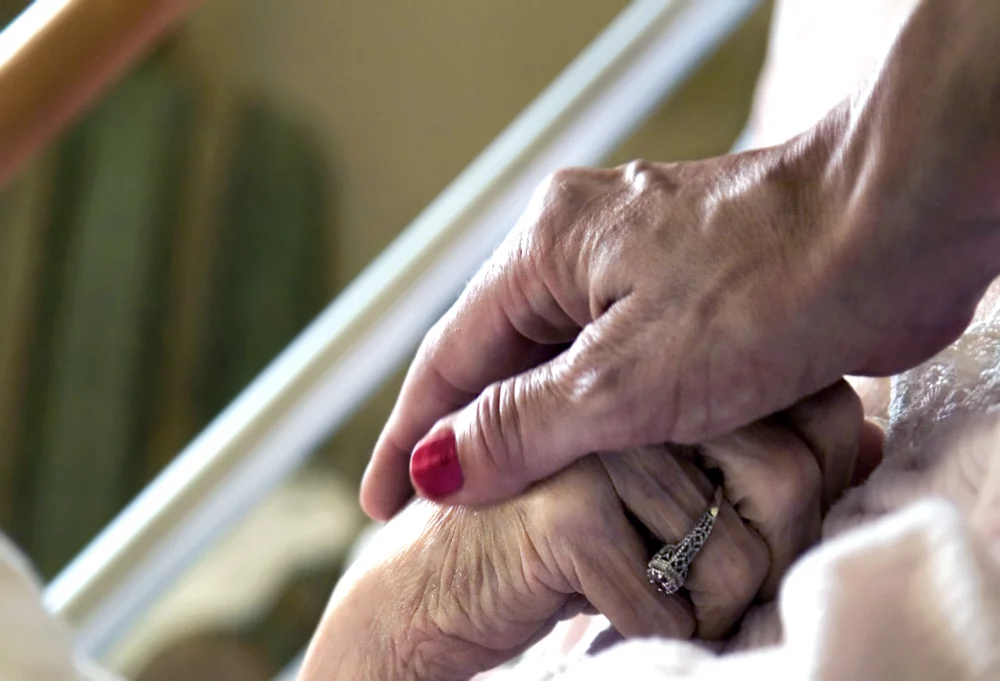
Choosing hospice care at home can bring a major change to daily life for both a patient and the people caring for them. For families in Prescott, the goal is often to help a loved one remain in familiar surroundings while receiving comfort-focused care and support during a serious, life-limiting illness.
Hospice at home does not mean the family is expected to figure everything out alone. It involves an individualized plan of care and a hospice team that helps manage symptoms, provides appropriate services, and supports the patient and caregivers.
What Can Families Expect From Hospice Care at Home?
Hospice care at home focuses on comfort, symptom management, quality of life, and support for the patient and family rather than treatment intended to cure the terminal illness. In Prescott, care generally takes place wherever the patient calls home, with services coordinated according to an individualized hospice plan.
Families should know that:
-
Hospice care may include nursing services, home health aide services, medications and supplies related to symptom management, and emotional or spiritual support based on the plan of care.
-
Family members and other caregivers remain an important part of day-to-day care between scheduled hospice visits.
-
Prescott’s location in central Yavapai County means families may want to discuss travel, caregiver availability, and access needs when developing the care plan.
-
Hospice is not necessarily limited to a private house. Eligible patients may receive hospice where they live, including certain assisted living or nursing facilities.
-
The hospice team should explain whom to contact when symptoms change or a caregiver needs guidance.
Why Does At-Home Hospice Matter in Prescott?
At-home hospice in Prescott allows eligible patients to receive comfort-focused services without routinely leaving familiar surroundings for care related to their terminal illness. That can be especially meaningful when travel has become tiring, uncomfortable, or difficult for a person with an advanced illness.
Local geography is also worth considering. Prescott sits at roughly 5,400 feet in central Yavapai County, and surrounding communities include Prescott Valley, Chino Valley, and Dewey-Humboldt. The broader county ranges from lower desert areas to mountainous terrain, so travel conditions and distances can vary considerably across the region.
Alaga Healthcare LLC/Alaga Home Care and Hospice understands that families considering hospice may have questions about what care at home actually looks like. We believe those questions deserve clear answers so patients and caregivers can better understand their options.
What Do Public Hospice Guidelines Say About Care at Home?
Public hospice guidelines confirm that hospice is designed around an individualized plan of care and can usually be provided in the patient’s home. Medicare describes hospice as end-of-life care for people with illnesses that cannot be cured and states that eligible beneficiaries work with their family and hospice team to establish a care plan.
For eligible Medicare beneficiaries, hospice coverage may include services and supplies associated with the terminal illness and related conditions. Medicare also notes that room and board generally is not covered simply because a patient receives hospice at home or lives in a nursing facility.
Arizona Department of Health Services rules also address services provided through hospice agencies, including nursing, home health aide, respite, and supportive services.
How Does Hospice Care Affect Daily Life at Home?
Hospice care at home changes the emphasis of daily care toward comfort and symptom relief. Instead of repeatedly pursuing treatment intended to cure the terminal condition, the care plan addresses the patient’s current needs and helps caregivers understand how to respond as those needs change.
For a household in the Prescott area, that may mean planning where the patient will rest, keeping necessary supplies accessible, establishing who will provide routine caregiving, and knowing how to reach the hospice team when concerns arise.
Care needs can change over time. Families should communicate new pain, breathing difficulties, agitation, changes in eating or drinking, increasing weakness, or other significant changes to the hospice team rather than trying to interpret them alone.
What Changes Should Families Report to the Hospice Team?
Changes in symptoms, comfort, alertness, mobility, breathing, or caregiving needs should be reported to the hospice team. Hospice professionals can help determine whether the care plan needs to be adjusted and explain what caregivers should do next.
Important changes may include:
-
Pain that appears new, stronger, or more difficult to control.
-
New or worsening shortness of breath.
-
Increased confusion, agitation, or unusual restlessness.
-
Difficulty swallowing medications, food, or liquids.
-
Increasing weakness or difficulty moving safely.
-
Falls or a sudden decline in mobility.
-
Symptoms that caregivers are unsure how to manage.
-
A caregiver becoming unable to safely meet the patient’s current needs.
Families do not need to wait until they are certain something is wrong before asking for guidance.
When Should You Call the Hospice Team?
You should call the hospice team when symptoms change, the patient appears uncomfortable, medications or equipment raise questions, or caregivers are unsure what to do. The team can help determine whether the situation can be managed through the existing plan or requires another level of hospice support.
This communication can be particularly important for families spread across Yavapai County. A relative in Prescott Valley or Chino Valley, for example, may not always be physically present when another caregiver notices a change.
For emergencies or services related to the terminal illness, families receiving hospice should follow instructions from their hospice provider. Medicare specifically advises beneficiaries to contact their hospice team before obtaining certain hospital, outpatient, or ambulance services related to the terminal illness because hospice-covered care generally needs to be arranged by the hospice team.
What Common Needs Does At-Home Hospice Address?
At-home hospice commonly addresses pain and symptom management, personal care needs, caregiver education, emotional concerns, and practical support related to the terminal illness. The exact services depend on the patient’s condition and individualized care plan rather than a single standard schedule for every household.
Common areas of support can include symptom assessment, nursing care, home health aide services when appropriate, medication management related to comfort, and assistance with equipment or supplies covered under the hospice benefit.
Respite care may also be available under qualifying circumstances to give caregivers a temporary break.
How Can Prescott Families Prepare for Hospice at Home?
Prescott families can prepare for hospice at home by organizing the living space, identifying primary caregivers, keeping important information accessible, and asking the hospice team what medications, equipment, and supplies may be needed. Preparation should make daily care safer and simpler without turning the home into a clinical environment unnecessarily.
A few practical steps can help:
-
Keep walkways clear, especially between the patient’s bed, bathroom, and commonly used areas.
-
Place frequently needed supplies where caregivers can reach them easily.
-
Ask how medications should be stored and administered.
-
Keep hospice contact instructions readily available.
-
Discuss backup caregiving arrangements with relatives or trusted helpers.
-
Ask what to do if symptoms change overnight or outside normal business hours.
-
Follow the hospice team’s instructions rather than making independent medication changes.
Prescott has distinct seasons and sits at a substantially higher elevation than Phoenix, so households should also consider ordinary seasonal issues such as comfortable indoor temperatures and safe access during colder weather.
What Results Should Families Expect From Hospice?
Families should expect hospice to focus on comfort and quality of life rather than promising a particular medical outcome. Care is individualized, so the services, visit frequency, symptom-management strategies, and caregiver support a patient receives can change as the patient’s needs change.
Hospice also does not mean that every difficult symptom will disappear. The care team works to assess symptoms and provide appropriate comfort-focused interventions while helping patients and caregivers understand what to expect.
What Mistakes Can Make At-Home Hospice More Difficult?
One common mistake is assuming hospice provides continuous bedside caregiving in every situation. The consequence can be an unexpected caregiving gap. A better approach is to ask specifically what services and visit schedules are included in the patient’s plan and what responsibilities remain with family or other caregivers.
Another mistake is waiting too long to report changing symptoms. That can leave a patient uncomfortable and caregivers uncertain. Prescott-area families should use the hospice team’s contact process when significant changes occur.
A third mistake is going directly to an emergency department for a problem related to the terminal illness without contacting the hospice team. For Medicare hospice patients, certain hospital and ambulance services need to be arranged through hospice to qualify for hospice coverage.
What Is a Common At-Home Hospice Scenario in Prescott?
A common local scenario involves a person with an advanced illness who wants to remain at home while a spouse, adult child, or another caregiver provides much of the everyday assistance. As mobility and energy decrease, the family may need additional guidance with personal care, symptom monitoring, medications, and safe movement around the home.
The hospice team develops and updates the plan of care according to that individual’s needs. The family then has a clearer framework for whom to contact, what changes to report, and what support may be available.
This is a general scenario, not a description of a specific Alaga Healthcare LLC/Alaga Home Care and Hospice patient.
What Hospice Services Can Support Care at Home?
Hospice services can support at-home care through a coordinated plan addressing the patient’s medical, physical, emotional, and other appropriate end-of-life needs. The specific combination of services depends on eligibility, clinical needs, the plan of care, and applicable coverage.
We can help families understand the hospice process and discuss what support may be appropriate for their situation.
How Does At-Home Hospice Compare With Other Care Options?
At-home hospice is appropriate for eligible patients who choose comfort-focused end-of-life care rather than treatment intended to cure their terminal illness. It differs from ordinary home health care, which may be directed toward rehabilitation, recovery, or management of conditions without the same hospice eligibility requirements.
Hospice also differs from inpatient care. Most hospice services can be provided where a patient lives, while short-term inpatient hospice care may be arranged when specific needs cannot be managed in the usual home setting.
Families should discuss these differences with their healthcare providers and hospice team before deciding which approach fits the patient’s goals and circumstances.
What Areas Can Families Consider for Local Hospice Support?
Families seeking hospice care in Prescott may also be coordinating care with relatives or services throughout the surrounding Prescott Basin and Yavapai County. Nearby communities include Prescott Valley, Chino Valley, and Dewey-Humboldt.
What Can Happen When Hospice Conversations Are Delayed?
Delaying a hospice conversation can leave patients and families with less time to understand available comfort-focused services, establish a care plan, and prepare for caregiving needs. It can also mean families are making difficult decisions during a sudden change in the patient’s condition rather than discussing options earlier.
Asking about hospice does not obligate a family to begin services. It can simply provide information about eligibility, coverage, the care process, and what support could be available.
Frequently Asked Questions About Hospice Care at Home in Prescott
Can hospice care be provided at home in Prescott, AZ?
Yes. Hospice care can generally be provided in the place a patient calls home, including a private residence and, in appropriate circumstances, assisted living or nursing facilities. Eligibility and the exact services provided depend on the patient’s condition, care plan, hospice provider, and applicable insurance or Medicare requirements.
Does hospice provide 24-hour caregivers in a Prescott home?
Routine hospice care should not automatically be understood as 24-hour bedside caregiving. Visit frequency and services depend on the patient’s individualized plan and level of care. Families should ask the hospice provider exactly what professional support is scheduled and what day-to-day responsibilities will remain with family or other caregivers.
Who qualifies for Medicare hospice care in Prescott?
For Medicare hospice coverage, a person must have Medicare Part A and meet Medicare’s eligibility requirements. Medicare states that the hospice doctor and regular doctor, if applicable, must certify a terminal illness with a life expectancy of six months or less if the illness follows its normal course, among other requirements.
Can hospice continue for longer than six months?
Yes. Medicare hospice is not automatically limited to six months. Medicare provides two 90-day benefit periods followed by an unlimited number of 60-day benefit periods, provided the patient continues to meet eligibility requirements and is appropriately recertified.
Does Medicare pay for hospice care at home?
Medicare Part A covers eligible hospice services from a Medicare-approved provider. Medicare states that beneficiaries generally pay nothing for covered hospice care, although certain prescription copayments and a percentage of inpatient respite costs may apply. Families should verify their individual coverage and ask about services or items that are not covered.
Does Medicare hospice cover room and board at home?
No. Medicare generally does not pay room and board simply because someone receives hospice in a private home, nursing home, or hospice inpatient facility. Short-term inpatient or respite care arranged by the hospice team may be covered when Medicare’s requirements are met.
Should a Prescott family call 911 or hospice when symptoms change?
Families should follow their hospice provider’s instructions for changes related to the terminal illness and contact the hospice team when symptoms change or they are unsure what to do. Medicare advises hospice patients to contact their hospice team before certain hospital, emergency, or ambulance services related to the terminal condition are obtained.
Can someone leave hospice if circumstances change?
Yes. Choosing hospice does not permanently prevent a patient from changing course. Medicare beneficiaries can revoke hospice if they decide to pursue treatment aimed at curing the terminal illness, and eligible patients may choose hospice again later if they meet the applicable requirements.
Find Comfort-Focused Hospice Support in the Prescott Area
Understanding what hospice at home involves can help patients and families make informed decisions and prepare for changing care needs. We are here to help local families ask questions, understand the process, and explore appropriate hospice support.