
When Is It Time for Hospice Care? Signs Prescott Families Should Know
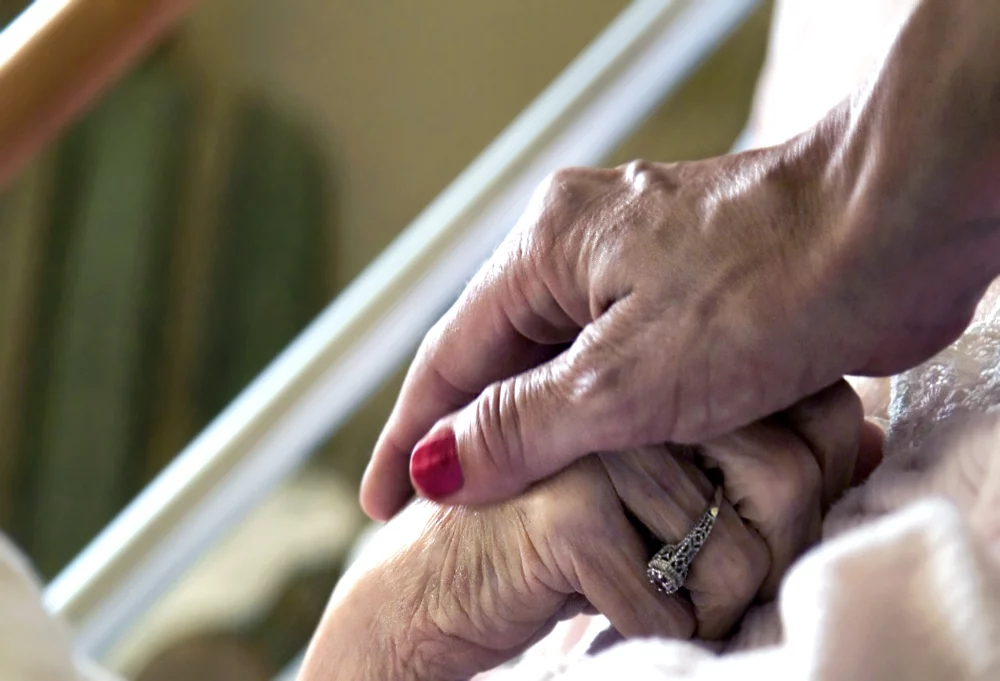
Caring for a loved one through a serious illness is one of the most demanding experiences a family can go through. As the condition progresses, families in Prescott, AZ often find themselves wondering whether it might be time to consider hospice care. This question can bring up feelings of guilt, fear, and uncertainty, but understanding the signs that point toward hospice can help families make informed decisions and provide the best possible quality of life for their loved one.
Hospice care is not about giving up. It is about shifting the focus from curative treatment to comfort, dignity, and meaningful time together. For families in Prescott, AZ, recognizing the signs early can make a significant difference in how smoothly this transition unfolds and how much support is available during a difficult chapter.
Frequent Hospital Visits or Declining Response to Treatment
One of the clearest indicators that it may be time to explore hospice services in Prescott, AZ is a pattern of repeated hospitalizations or emergency room visits that no longer seem to improve the person’s condition. If a loved one is cycling in and out of the hospital, experiencing more frequent infections, or simply not bouncing back the way they used to after treatment, this can be a signal that the illness has progressed to a more advanced stage.
Doctors may also begin to express that further aggressive treatments, such as chemotherapy, dialysis, or surgery, are unlikely to change the course of the illness or may cause more discomfort than benefit. When a physician starts using language like “there is nothing more we can do to cure this” or “treatment options are limited,” it is often a cue for families to start the conversation about end-of-life care. At this point, many families find that in-home hospice care in Prescott, AZ offers a gentler path forward, allowing their loved one to remain in familiar surroundings while receiving expert medical support focused on comfort rather than cure.
Noticeable Decline in Daily Functioning
Another important sign is a steady decline in a person’s ability to manage daily activities. This might include needing help with basic tasks like bathing, dressing, eating, or moving from a bed to a chair. While some decline is normal with chronic illness or aging, a rapid or significant drop in independence often points to a shift in overall health status.
Families may notice their loved one sleeping much more than usual, showing less interest in food and drink, or becoming withdrawn from conversations and activities they once enjoyed. Weight loss that cannot be explained by diet changes, along with muscle weakness and increased fatigue, are also common markers. When these changes happen together and continue over weeks rather than days, it may be time to talk with a healthcare provider about hospice care in Prescott, AZ and what additional support could look like.
It is worth noting that these signs do not always mean death is imminent. Hospice care can begin months before the final days of life, and many patients actually live longer and more comfortably with hospice support than they would with continued aggressive treatment. The goal is to address symptoms early, manage pain proactively, and give the patient and family more time to focus on what matters most.
Increased Pain, Symptom Management Challenges, or Emotional Distress
Pain and symptom control become more difficult to manage as a serious illness advances. If medications that once worked well no longer provide relief, or if a loved one is experiencing new or worsening symptoms such as shortness of breath, nausea, confusion, or restlessness, this can be a strong indication that specialized end-of-life care is needed.
Hospice teams are trained specifically in symptom management for people with life-limiting illnesses. They have access to medications, equipment, and techniques that primary care providers or family caregivers may not have readily available. For families in Prescott, AZ, having a hospice team involved can mean the difference between a loved one suffering through uncomfortable symptoms and experiencing genuine relief and peace.
Emotional and psychological changes are just as important to watch for. Increased anxiety, depression, fear about the future, or conversations about wanting to “let go” can all be signs that a person is approaching the end of life and may benefit from the holistic support hospice provides. This support extends beyond the patient too. Hospice services in Prescott, AZ typically include counseling and emotional support for family members, helping everyone navigate this difficult time together.
Caregiver Burnout and the Need for Additional Support
Sometimes the signs that it is time for hospice are not just about the patient, they are about the family and caregivers too. Caring for a loved one with a serious illness is exhausting, both physically and emotionally. If a primary caregiver is feeling overwhelmed, sleep-deprived, isolated, or unable to keep up with the increasing demands of care, this is an important signal that more help is needed.
Caregiver burnout is real, and it can affect the quality of care a loved one receives as well as the caregiver’s own health. Hospice care at home brings a team of professionals, including nurses, aides, social workers, and chaplains, into the picture to share the load. This team-based approach means family members can step back from some of the more demanding physical tasks and instead focus on spending quality time with their loved one.
For many families in Prescott, AZ, the relief that comes with hospice support is immediate. Knowing that a nurse is just a phone call away, that medications and equipment will be delivered, and that someone trained in end-of-life care is checking in regularly can ease an enormous amount of stress. This support allows families to be present in a more meaningful way, rather than constantly managing logistics and medical tasks on their own.
A Doctor’s Prognosis of Six Months or Less
While many of the signs above are based on observation and changes in condition, there is also a formal medical criterion for hospice eligibility. To qualify for hospice care, a physician must certify that, in their professional judgment, the patient has a life expectancy of six months or less if the illness runs its expected course. This applies to a wide range of conditions, including advanced cancer, heart failure, COPD, dementia, kidney disease, and other serious illnesses.
It is important to understand that this six month timeframe is not a strict deadline. Patients can be re-certified for hospice care if they live longer than expected, and some patients even improve enough to be discharged from hospice if their condition stabilizes. The prognosis is simply a starting point for accessing the specialized resources and support that hospice care, AZ providers offer.
If a doctor has mentioned this kind of prognosis, or if the family senses that their loved one’s health is on a steady downward trajectory despite treatment, this is often the clearest sign that it is time to have a conversation about hospice. Reaching out to a local hospice provider for an evaluation does not commit a family to anything, but it does open the door to information, support, and options that can make a real difference.
Recognizing when it is time for hospice care is rarely easy, and there is no single moment that makes the decision obvious for every family. However, paying attention to changes in hospital visits, daily functioning, pain levels, caregiver wellbeing, and a doctor’s prognosis can help Prescott families feel more confident in seeking support sooner rather than later. Hospice care at home offers comfort, dignity, and a team of compassionate professionals dedicated to making each remaining day as meaningful as possible, for both patients and the families who love them.
Need a Primary Care Provider Near You?
At Alaga Healthcare LLC, we believe every patient deserves compassionate, personalized care that feels like family. Whether you are seeking hospice care, home health services, or chronic care support for yourself or a loved one, our experienced team of ICU and hospice nurses is here to provide the comfort, dignity, and attention you deserve. Contact us today to learn more about our caring services and discover how we can support your healthcare journey with compassion and expertise.